5 compounds · Catalog
SARMs
The SARM category holds five nonsteroidal selective androgen receptor modulators — Ostarine (MK-2866), RAD-140, LGD-4033, and two related compounds. Unlike the steroid catalog, none of these is an esterified hormone: they are small synthetic molecules that bind the androgen receptor without the steroidal scaffold, and they are supplied as reference standards for analytical and in vitro work.
Reference-standard framing matters here. A SARM under study is characterised by identity, purity and, where relevant, enantiomeric excess, because several of these molecules have a chiral centre and an assay run against a racemate will not agree with one run against a single enantiomer. The certificates state what was measured and what was not.
Compounds in SARMs
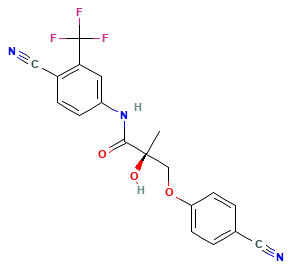
Ostarine (Enobosarm)
Aryl-propionamide SARM reference standard. GTx's phase II compound.
CAS 841205-47-8
Ships in 3–5 days10mg vial · In stock
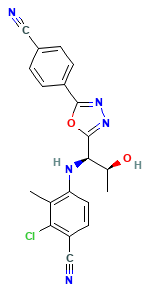
Testolone (RAD-140)
High-affinity benzyl-propionamide SARM from Ligand's preclinical series.
CAS 1182367-47-0
Ships in 3–5 days10mg vial · In stock
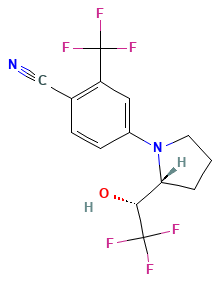
Ligandrol (LGD-4033)
Fluorophenyl oxadiazole-class SARM studied in bone-mass protocols.
CAS 1165910-22-4
Ships in 3–5 days10mg vial · In stock
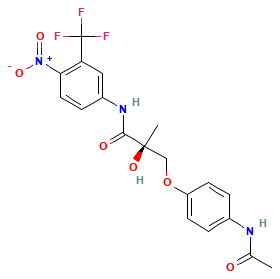
Andarine (S-4)
Nitrophenoxy-acetamide prototype from Ligand's original SARM series.
CAS 401900-40-1
Ships in 3–5 days10mg vial · In stock
SR-9009 (Stenabolic)
REV-ERB agonist often shelved with SARMs — mechanism is distinct.
CAS 1379686-30-2
Ships in 3–5 days10mg vial · In stock
Identity, purity and what is not claimed
Each listing gives the molecular formula, molecular weight, CAS number and the form supplied (usually a crystalline solid or a pre-weighed powder). Purity is by HPLC peak area with the method named; structural confirmation is by mass spectrometry. Where a compound has been the subject of a regulatory action in a specific market, that is noted on the page as a fact about the market rather than a statement about the material.
None of these compounds has an approved human indication, and several have been the subject of warning letters and import alerts. That context is disclosed rather than glossed, because a laboratory buying a reference standard should know what the regulatory record says about the molecule it is standardising against.
Comparisons and handling
The journal carries a category overview plus head-to-head pages, including Ostarine against RAD-140 and the broader receptor-selectivity discussion. Those pages cover what is measurable — binding affinity in receptor assays, reported half-lives, metabolite identification — and avoid the tissue-specific claims that the SARM literature has not consistently reproduced.
Handling is straightforward for small molecules: store dry, protected from light, and avoid repeated temperature cycling of the container. Solubility differs enough between the five that the product pages list a recommended solvent for analytical work rather than a generic one.
Other categories
All compounds in this category are supplied for laboratory research use only — not for human or veterinary application. Certificate of analysis, CAS number and handling data are provided per batch; see quality assurance.