Retatrutide Research Findings: What the Trial Data and Preclinical Studies Show
Research compounds for laboratory use only · not medical advice
The evidence base on retatrutide (LY3437943) — phase 2 dose-response data, the triple-agonist rationale, and what the findings mean for metabolic research.
Retatrutide is one of the most-watched investigational compounds in metabolic research, and the published data give laboratories a clear picture of its pharmacology.
Phase 2 dose-response
The 48-week phase 2 program evaluated once-weekly retatrutide at 1, 4, 8 and 12 mg, with weight reduction as the primary endpoint. Results were dose-dependent:
- 1 mg and 4 mg — modest, dose-related reductions
- 8 mg and 12 mg — the largest mean reductions reported in the study
The magnitude of effect at the higher doses — attributed to the triple-agonist mechanism — is what moved retatrutide into the phase 3 TRIUMPH program.
What the triple-agonist data imply
Across the incretin class, the published data support a graduated mechanism:
- GLP-1 agonism — appetite suppression, insulin secretion, slowed gastric emptying
- +GIP agonism (tirzepatide) — added incretin signaling, fat-tissue effects
- +glucagon agonism (retatrutide) — energy expenditure through thermogenesis and lipid oxidation
For researchers, retatrutide is the reference compound for studying the additive energy-expenditure arm — the component not present in dual agonists.
Preclinical and translational notes
- Retatrutide is a single 39-residue peptide with a C20 fatty-diacid (albumin-binding) tail — the lipidization that supports once-weekly dosing
- Mass-spec-verified identity and HPLC purity are per-batch documented (our retatrutide: 99.5%)
- Storage -20°C lyophilized; reconstitute with bacteriostatic water
Sources and further reading
- Phase 2 program results: published 2023 (NEJM; Jastreboff et al., “Triple–Hormone-Receptor Agonist Retatrutide for Metabolic Dysfunction-Associated Steatotic Liver Disease” / “Retatrutide for Obesity and Type 2 Diabetes”)
- TRIUMPH phase 3 program: ongoing
- Mechanism overview: retatrutide mechanism of action, retatrutide vs tirzepatide, semaglutide vs tirzepatide
All compounds on this site are research products for laboratory use only — not for human or veterinary use.
Last updated September 9, 2026
FAQ
Frequently asked questions
What were the main results of the retatrutide phase 2 trial?
In the 48-week phase 2 program, weight reduction was dose-dependent; the 8 mg and 12 mg weekly arms reported the largest mean reductions.
How does retatrutide compare to dual agonists in the data?
The added glucagon receptor agonism is associated with greater energy expenditure signals compared with dual GIP/GLP-1 agonism alone, though head-to-head data are still limited.
Is retatrutide in phase 3 trials?
Yes — the TRIUMPH program covers the phase 3 development across multiple indications.
Where can I get retatrutide for research?
It is supplied as a lyophilized research peptide (10 mg vials) for laboratory use only — see the retatrutide product page.
Keep reading
Related articles
The Peptide Cliff: Compounding Restrictions, the 503A Expansion, and What It Means for Research Supply
Why compounded semaglutide ended in 2025, what the July 2026 FDA 503A expansion changes, and how the regulatory shake-up reshapes the research peptide supply.
Retatrutide Mechanism of Action: How a Triple Agonist Works in Research
GIP, GLP-1 and glucagon receptor activation — the balanced tri-agonist mechanism that makes retatrutide (LY3437943) a reference compound in metabolic research.
Semaglutide Mechanism of Action: GLP-1 Receptor Agonism in Research
How semaglutide's GLP-1 receptor agonism, Aib-8 stabilization and C18 fatty-acid chain make it the reference standard for GLP-1 research.
Laboratory tools
Put it into practice
From the catalog
Reference compounds

Retatrutide
Triple-agonist (GIP/GLP-1/Glucagon). Lyophilized, mass-spec verified.
CAS 2381089-83-2
10mg vial · In stock
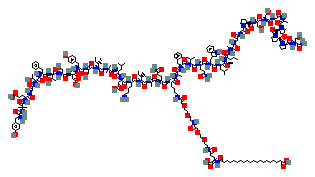
Tirzepatide
Dual GIP/GLP-1 agonist. Research grade.
CAS 2023788-19-2
10mg vial · In stock
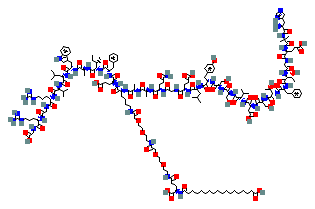
Semaglutide
GLP-1 receptor agonist. Reference standard.
CAS 910463-68-2
5mg vial · In stock
HGH 191aa
Recombinant human growth hormone. Full 191aa sequence.
CAS 12629-01-5
10IU vial · In stock
For laboratory research use only