Semaglutide vs Tirzepatide: Two GLP-1 Pathways Compared
Research compounds for laboratory use only · not medical advice
Single vs dual incretin agonism — half-life, vial math and research applications of semaglutide 5 mg and tirzepatide 10 mg.
Both compounds activate the GLP-1 receptor — that’s where the similarity ends. One is a single-receptor agonist; the other adds a second pathway. Here’s how that changes the research picture.
The mechanistic split
| Property | Semaglutide | Tirzepatide |
|---|---|---|
| Receptor targets | GLP-1 | GIP + GLP-1 |
| Reported half-life | ≈ 7 days | ≈ 5 days |
| Vial size | 5 mg lyophilized | 10 mg lyophilized |
| Molecular weight | ≈ 4,114 g/mol | ≈ 4,813 g/mol |
Semaglutide is a long-acting GLP-1 receptor agonist — a common reference standard in receptor binding assays. Tirzepatide is the dual GIP/GLP-1 agonist, and the GIP component is exactly what researchers cite when comparing the two: it adds a second incretin pathway to study, which is why tirzepatide protocols show up in glucose-homeostasis and incretin-signaling work that semaglutide alone doesn’t cover.
Vial math differs — don’t mix them up
- Semaglutide 5 mg = 5,000 µg. With 2 mL water: 2,500 µg/mL, so a 250 µg dose is 10 units.
- Tirzepatide 10 mg = 10,000 µg. With 2 mL water: 5,000 µg/mL, so a 2,500 µg dose is 50 units.
The semaglutide calculator and tirzepatide calculator handle each vial’s math with their reference titration tables — worth checking before a protocol, because the 5 vs 10 mg difference is an easy slip.
Practical notes
Both store lyophilized at −20 °C and reconstitute with USP bacteriostatic water. Full specs: Semaglutide and Tirzepatide. For the triple-agonist alternative, see Retatrutide vs Tirzepatide.
For laboratory research use only. Not medical advice.
Last updated September 9, 2026
FAQ
Frequently asked questions
What is the mechanistic difference?
Semaglutide is a GLP-1 receptor agonist. Tirzepatide is a dual GIP/GLP-1 agonist — the additional GIP component is the defining research distinction.
Which has the longer half-life?
Published references cite approximately 7 days for semaglutide and approximately 5 days for tirzepatide.
Do the vials reconstitute the same way?
No — semaglutide ships as a 5 mg vial and tirzepatide as 10 mg. The math differs, which is why each has its own calculator.
Keep reading
Related articles
Retatrutide vs Tirzepatide: Triple vs Dual Agonist Compared
Receptor profiles, half-life, research applications and reconstitution math for retatrutide 10mg and tirzepatide 10mg research vials — a side-by-side reference.
Semaglutide vs Retatrutide: GLP-1 Selective vs Triple Agonist
Selective GLP-1 agonism versus triple GIP/GLP-1/glucagon agonism — how semaglutide and retatrutide differ in mechanism, molecular size and research use.
Retatrutide Dosage and Reconstitution Math: 10 mg Vial in the Lab
Retatrutide (RT) vial math — reconstituting a 10 mg lyophilized vial, converting mg to mL and U-100 units, and the common research dose ranges.
From the catalog
Reference compounds
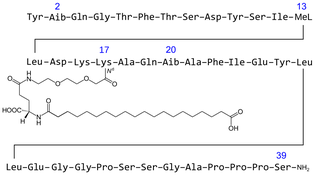
Retatrutide
Triple-agonist (GIP/GLP-1/Glucagon). Lyophilized, mass-spec verified.
CAS 2381089-83-2
10mg vial · In stock
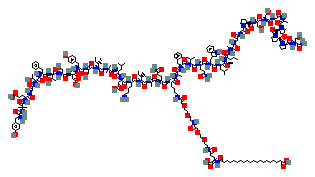
Tirzepatide
Dual GIP/GLP-1 agonist. Research grade.
CAS 2023788-19-2
10mg vial · In stock
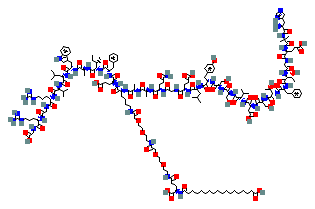
Semaglutide
GLP-1 receptor agonist. Reference standard.
CAS 910463-68-2
5mg vial · In stock

Bacteriostatic Water
0.9% benzyl alcohol, sterile USP-grade solvent.
CAS 7732-18-5
10mL vial · In stock
For laboratory research use only