Retatrutide vs Tirzepatide: Triple vs Dual Agonist Compared
Research compounds for laboratory use only · not medical advice
Receptor profiles, half-life, research applications and reconstitution math for retatrutide 10mg and tirzepatide 10mg research vials — a side-by-side reference.
Both compounds sit in the incretin-pathway research space, but they are not interchangeable — the receptor targets, kinetics and research applications differ meaningfully.
Receptor profiles
| Property | Retatrutide | Tirzepatide |
|---|---|---|
| Receptor targets | GIP, GLP-1, glucagon | GIP, GLP-1 |
| Reported half-life | ≈ 6 days | ≈ 5 days |
| Vial size | 10 mg lyophilized | 10 mg lyophilized |
| Molecular weight | ≈ 4,757 g/mol | ≈ 4,813 g/mol |
Retatrutide’s glucagon-receptor activity is the defining difference. Where tirzepatide research concentrates on glucose homeostasis and appetite regulation through the two incretin receptors, retatrutide protocols also touch energy expenditure and body-composition models that benefit from glucagon pathway involvement.
Research applications
- Tirzepatide — dual GIP/GLP-1 agonism is referenced in glucose-homeostasis studies, incretin signaling, and appetite-regulation models. It is widely used as a reference standard in receptor binding assays.
- Retatrutide — the added glucagon component makes it relevant to studies of simultaneous multi-receptor activation, energy expenditure, and metabolic pathway cross-talk that single- or dual-agonist compounds cannot address.
Reconstitution for both
Both ship as 10 mg lyophilized vials — the math is identical:
- Choose a volume of USP bacteriostatic water (1–3 mL is a common research convention).
- 10 mg = 10,000 µg; concentration = 10,000 ÷ water (mL) in µg/mL.
- On a U-100 syringe, 1 unit = 0.01 mL, so a 2,000 µg dose from a 2 mL reconstitution is 40 units.
Use the retatrutide calculator or the tirzepatide calculator to compute any combination instantly.
Storage and handling
Both are lyophilized powders requiring −20 °C storage in dry form, reconstituted with bacteriostatic water, and handled under aseptic laboratory protocol. Full specifications are on each product page.
For laboratory research use only. Not medical advice.
Last updated September 9, 2026
FAQ
Frequently asked questions
What is the main difference between retatrutide and tirzepatide?
Tirzepatide is a dual agonist targeting the GIP and GLP-1 receptors. Retatrutide is a triple agonist adding glucagon-receptor activation, which places it in energy-expenditure and metabolic-pathway research that a dual agonist does not cover.
Which has a longer half-life, retatrutide or tirzepatide?
Published research references approximately 6 days for retatrutide and approximately 5 days for tirzepatide. Both are supplied lyophilized and require reconstitution with bacteriostatic water.
Can the same calculator handle both vials?
Both ship as 10 mg lyophilized vials, so the reconstitution math is identical: 10,000 µg dissolved in a chosen water volume, read off in U-100 syringe units. The dedicated calculators for each compound include the reference titration tables.
Keep reading
Related articles
Semaglutide vs Retatrutide: GLP-1 Selective vs Triple Agonist
Selective GLP-1 agonism versus triple GIP/GLP-1/glucagon agonism — how semaglutide and retatrutide differ in mechanism, molecular size and research use.
Semaglutide vs Tirzepatide: Two GLP-1 Pathways Compared
Single vs dual incretin agonism — half-life, vial math and research applications of semaglutide 5 mg and tirzepatide 10 mg.
Retatrutide Dosage and Reconstitution Math: 10 mg Vial in the Lab
Retatrutide (RT) vial math — reconstituting a 10 mg lyophilized vial, converting mg to mL and U-100 units, and the common research dose ranges.
From the catalog
Reference compounds
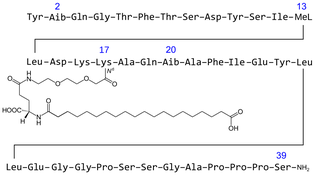
Retatrutide
Triple-agonist (GIP/GLP-1/Glucagon). Lyophilized, mass-spec verified.
CAS 2381089-83-2
10mg vial · In stock
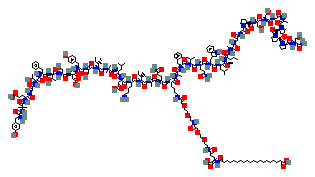
Tirzepatide
Dual GIP/GLP-1 agonist. Research grade.
CAS 2023788-19-2
10mg vial · In stock
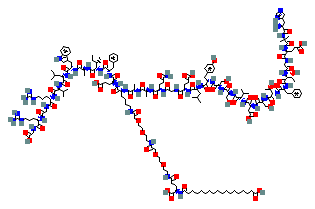
Semaglutide
GLP-1 receptor agonist. Reference standard.
CAS 910463-68-2
5mg vial · In stock

Bacteriostatic Water
0.9% benzyl alcohol, sterile USP-grade solvent.
CAS 7732-18-5
10mL vial · In stock
For laboratory research use only