The Peptide Cliff: Compounding Restrictions, the 503A Expansion, and What It Means for Research Supply
Research compounds for laboratory use only · not medical advice
Why compounded semaglutide ended in 2025, what the July 2026 FDA 503A expansion changes, and how the regulatory shake-up reshapes the research peptide supply.
In mid-2026 the consumer peptide market hit what The Atlantic called a “peptide cliff” — the inflection point where mass-market compounding of GLP-1 drugs collided with FDA enforcement, and attention shifted to the formal 503A bulk-substances list. For laboratories working with research peptides, the regulatory timeline is worth understanding because it shapes what compounds enter and leave the mainstream supply chain.
Timeline
- 2024-2025 — semaglutide and tirzepatide were in official shortage; compounding pharmacies produced them at scale for telehealth providers
- 2025 — the FDA resolved the semaglutide shortage; the statutory basis for large-scale compounding ended, and major compounders exited the market
- July 2026 — PCAC recommended adding BPC-157, KPV, TB-500, MOTS-c, Epitalon and Semax to the 503A Bulks List (voting against emideltide)
- Ongoing — final inclusion requires rulemaking; Secretary Kennedy has expressed support for compounding peptides
What the 503A Bulks List actually is
The Section 503A Bulks List defines which bulk substances state-licensed compounding pharmacies may use to compound patient-specific medications under valid prescriptions. Being on the list is not an FDA approval of the substance — it is a regulatory eligibility signal. The July 2026 recommendations, if finalized, would put six heavily-researched peptides on that list.
What it means for research supply
Research-grade peptides are supplied for laboratory use only — a separate channel from pharmacy compounding. The practical effects of the 503A news are indirect:
- Mainstream attention — more researchers and buyers search for these compounds, expanding the long-tail search volume
- Source legitimacy signals — compounds moving through formal regulatory review gain credibility in procurement decisions
- Market entrants — expect more suppliers to add 503A-tracked compounds, which raises the bar for documented quality (purity, COA, lot traceability)
The six recommended peptides — research profiles
| Peptide | Class | Research focus |
|---|---|---|
| BPC-157 | Gastric pentadecapeptide | Angiogenesis, tissue repair, GI mucosa |
| KPV | α-MSH fragment tripeptide | Anti-inflammatory signaling |
| TB-500 | Thymosin β4 fragment | Actin-binding, cell migration |
| MOTS-c | Mitochondrial-derived 16-mer | Metabolic flexibility, AMPK |
| Epithalon | Pineal tetrapeptide | Telomere/longevity research |
| Semax | ACTH 4-10 analog | Nootropic, neuroprotection |
All are supplied as lyophilized research peptides with per-batch HPLC-MS documentation. See the 503A overview article for the vote details.
Last updated September 9, 2026
FAQ
Frequently asked questions
Why did compounded semaglutide stop being widely available?
When the FDA declared the semaglutide shortage resolved in 2025, the statutory basis for large-scale 503A compounding of the drug ended, and major compounding pharmacies stopped selling it.
What did the FDA advisory committee recommend in July 2026?
PCAC recommended adding BPC-157, KPV, TB-500, MOTS-c, Epitalon and Semax to the 503A Bulks List; it voted against emideltide.
What is the 'peptide cliff'?
The term (used by The Atlantic, July 2026) for the market inflection as consumer compounding of GLP-1 drugs tightened and attention shifted to the 503A bulk-substance list.
Does this affect research-grade peptides?
Research compounds are supplied for laboratory use only and are separate from pharmacy compounding; the regulatory news mostly affects the compounding market.
Keep reading
Related articles
Retatrutide Mechanism of Action: How a Triple Agonist Works in Research
GIP, GLP-1 and glucagon receptor activation — the balanced tri-agonist mechanism that makes retatrutide (LY3437943) a reference compound in metabolic research.
Retatrutide Research Findings: What the Trial Data and Preclinical Studies Show
The evidence base on retatrutide (LY3437943) — phase 2 dose-response data, the triple-agonist rationale, and what the findings mean for metabolic research.
Semaglutide Mechanism of Action: GLP-1 Receptor Agonism in Research
How semaglutide's GLP-1 receptor agonism, Aib-8 stabilization and C18 fatty-acid chain make it the reference standard for GLP-1 research.
Laboratory tools
Put it into practice
From the catalog
Reference compounds

Retatrutide
Triple-agonist (GIP/GLP-1/Glucagon). Lyophilized, mass-spec verified.
CAS 2381089-83-2
10mg vial · In stock
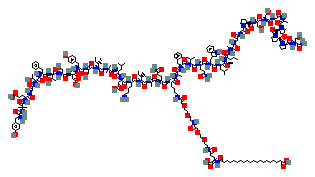
Tirzepatide
Dual GIP/GLP-1 agonist. Research grade.
CAS 2023788-19-2
10mg vial · In stock
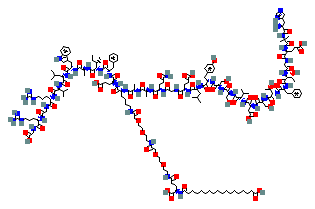
Semaglutide
GLP-1 receptor agonist. Reference standard.
CAS 910463-68-2
5mg vial · In stock
HGH 191aa
Recombinant human growth hormone. Full 191aa sequence.
CAS 12629-01-5
10IU vial · In stock
For laboratory research use only