The 2025-2026 US Peptide Market Collapse: What Fell, What Survived, and the New Bar for COAs
Research compounds for laboratory use only · not medical advice
Nine+ US research-peptide vendors shut down between late 2025 and mid-2026 — Peptide Sciences overnight, Paradigm's founder to federal prison. The three enforcement forces behind the collapse, and the verifiable-COA standard that now separates survivors from the next casualty list.
The scale of the shakeout
Between late 2025 and September 2026, the US-facing research peptide market lost at least nine significant vendors. Unlike earlier rounds of 503A list churn, which moved substance-by-substance through rulemaking, this contraction was driven simultaneously by enforcement, private litigation, and public re-testing — a three-front squeeze.
The closures, as documented (primary compilation via The Peptide Catalog’s ongoing vendor-shutdown series):
- Peptide Sciences — at ~$7.4M monthly sales arguably the largest US research catalog, went offline overnight on March 6, 2026, with no public post-mortem.
- Paradigm Peptides — founder sentenced to 70 months in federal prison with $5M forfeiture; the charge sheet included falsified certificates of analysis.
- Amino Asylum — FDA enforcement seizure.
- Strate Labs, Science.bio and five-plus others — shutdowns or exits under legal pressure, including Eli Lilly’s litigation line against GLP-1 sellers (Novo Nordisk separately named 14 distribution accounts in one suit).
Three enforcement forces
- Machine-reading of “research only” language. FDA scrutiny reportedly uses automated crawlers to flag pages whose text — dosage tables, “how many units,” titration graphics — implies human administration regardless of RUO boilerplate. The disclaimer is no longer the test; the page is.
- Brand-owner litigation. Lilly and Novo have converted patent-adjacent claims into a distributor-choking campaign aimed precisely at semaglutide/tirzepatide catalog pages.
- The third-party-testing economy turning on its subjects. Independent labs and public testers (the Janoshik model) now routinely re-test marketed batches — and publish mismatches. A COA that can’t survive a re-test is an advertised liability.
What survival now looks like
The survivors share a profile the dead did not: published, lot-traceable, independently named COAs, GLP-1 pages handled with visible caution, and supply redundancy — several have publicly positioned as seeking second manufacturing sources after watching single-supplier peers die mid-quarter. Retail pricing on hot compounds held firm or rose through the collapse (BPC-157 ~$4.90/mg, tirzepatide ~$3.17/mg at surviving US storefronts as of September 2026), which tells you demand didn’t shrink — only the qualified supply did.
For our own wholesale readers, the collapse is one brutal editorial on what we’ve always listed as table stakes: batch-level HPLC, named independent lab, QR-verifiable history. The COA reading guide and supplier selection framework predate this event but now read like a checklist written by the survivors.
What we expect next
Three predictions held to light evidence: (1) enforcement pressure migrates to EU/UK storefronts as US retail consolidates; (2) “survived the 2026 shakeout” becomes a marketing category within two quarters — watch for it; (3) the verifiable-COA bar, once a differentiator, becomes mere admission pricing to the market by 2027.
This article documents public market events for supply-chain research. Named entities’ legal statuses are summarized from cited public reporting; nothing here is legal advice.
FAQ
Frequently asked questions
Which US peptide vendors shut down in 2025-2026?
Documented closures and enforcement actions include Peptide Sciences (site offline March 6, 2026), Paradigm Peptides (founder sentenced to 70 months federal prison plus $5M forfeiture), Amino Asylum (FDA seizure), and Strate Labs (defendant in an Eli Lilly suit), among others — 9+ significant exits in roughly six months.
Why did Peptide Sciences close overnight?
No single public cause was given. The pattern across the collapse cohort points to the same three pressures: FDA scrutiny of 'research only' labeling that implies human dosing, brand-owner litigation over GLP-1 analogs, and third-party testers publicly exposing label-accuracy failures. A high-volume catalog is an unusually large target on all three.
What is the 'verifiable COA' standard?
A certificate of analysis that names an independent laboratory, carries a lot number that lab can confirm, and is published with the batch — not a self-issued PDF. The Paradigm case is the market's object lesson: documents existed; they could not survive re-testing.
Keep reading
Related articles
BPC-157 and the 503A Bulks List: What the July 2026 FDA Recommendation Changes
BPC-157 was recommended for the FDA 503A Bulks List in July 2026 — what the vote means, what it doesn't change, and the research status of the pentadecapeptide.
BPC-157 Mechanism of Action: The Pentadecapeptide's Repair Pathways
Angiogenesis, nitric-oxide modulation, fibroblast activity and GI mucosal protection — the mechanisms behind BPC-157's tissue-repair research profile.
FDA Advisory Committee Recommends 6 Peptides for 503A Compounding: What It Means
The July 2026 PCAC vote recommending BPC-157, KPV, TB-500, MOTS-c, Epitalon and Semax for the 503A Bulks List — the regulatory update researchers should know.
Laboratory tools
Put it into practice
From the catalog
Reference compounds
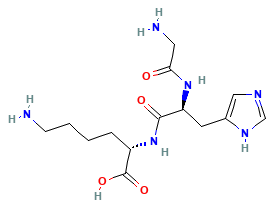
GHK-Cu
Copper tripeptide-1. Tissue regeneration studies.
CAS 49557-75-7
50mg vial · In stock
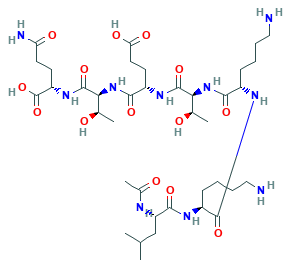
TB-500
Thymosin β4 fragment. Actin-binding domain active.
CAS 885340-08-9
5mg vial · In stock
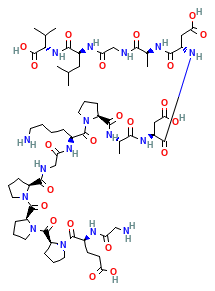
BPC-157
Pentadecapeptide. Gastric pentadecapeptide research.
CAS 137525-51-0
5mg vial · In stock
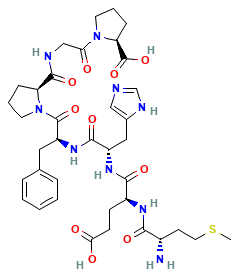
Semax
Nootropic heptapeptide. ACTH 4-10 analog.
CAS 80714-61-0
10mg vial · In stock
For laboratory research use only