BPC-157 Mechanism of Action: The Pentadecapeptide's Repair Pathways
Research compounds for laboratory use only · not medical advice
Angiogenesis, nitric-oxide modulation, fibroblast activity and GI mucosal protection — the mechanisms behind BPC-157's tissue-repair research profile.
BPC-157 — Body Protection Compound-157 — is a stable gastric pentadecapeptide derived from a protein isolated from human gastric juice. Its 15-residue sequence (Gly-Glu-Pro-Pro-Pro-Gly-Lys-Pro-Ala-Asp-Asp-Ala-Gly-Leu-Val) is remarkably resistant to degradation, which is one reason it became a fixture in tissue-repair research.
The repair pathways studied
| Pathway | What is studied |
|---|---|
| Angiogenesis | New blood-vessel formation, wound and tendon vascularization |
| Nitric-oxide modulation | eNOS / NO pathway effects on endothelium |
| Fibroblast activity | Tendon and ligament fibroblast proliferation and migration |
| GI mucosal protection | Ulcer healing, intestinal barrier models |
| Growth-hormone axis | Reports of GH release modulation in animal models |
Why the pentadecapeptide design matters
Most peptides are degraded in minutes in biological fluids. BPC-157’s short, stable sequence survives gastric juice — a property that made it the focus of gastrointestinal research before the wider tissue-repair interest. That same stability is convenient in the lab: lyophilized powder stored at -20°C, reconstituted with bacteriostatic water when needed.
Research context
The evidence base is almost entirely preclinical — rodent and in vitro models of tendon repair, gut ulcer healing, and angiogenesis. The July 2026 FDA advisory recommendation of BPC-157 for the 503A Bulks List (see BPC-157 and the 503A Bulks List) reflects its research prominence, not clinical approval.
Reference data
CAS 137525-51-0 · C62H98N16O22 · MW 1419.5 · 99.5% purity · 5 mg lyophilized vial
See BPC-157 research profile, the BPC-157 + TB-500 blend, and compare with TB-500’s actin-binding mechanism.
Last updated September 9, 2026
FAQ
Frequently asked questions
What is BPC-157?
BPC-157 is a stable gastric pentadecapeptide (15 amino acids, 1419.5 g/mol) derived from a protein found in human gastric juice.
What are the main mechanisms studied for BPC-157?
Angiogenesis (blood-vessel formation), nitric-oxide pathway modulation, tendon and ligament fibroblast activity, and gastrointestinal mucosal protection.
Does BPC-157 have FDA approval?
No. It is an investigational research peptide with a preclinical-only evidence base; the July 2026 PCAC recommendation concerns the 503A compounding list, not approval.
What form does research BPC-157 ship in?
Lyophilized powder in a 5 mg vial (10 vials per box), stored at -20°C and reconstituted with bacteriostatic water.
Keep reading
Related articles
BPC-157 and the 503A Bulks List: What the July 2026 FDA Recommendation Changes
BPC-157 was recommended for the FDA 503A Bulks List in July 2026 — what the vote means, what it doesn't change, and the research status of the pentadecapeptide.
TB-500 Mechanism of Action: The Thymosin Beta-4 Fragment and Actin Binding
How TB-500's conserved actin-binding (LKKTETQ) domain drives the cell-migration and tissue-repair mechanisms studied in research.
FDA Advisory Committee Recommends 6 Peptides for 503A Compounding: What It Means
The July 2026 PCAC vote recommending BPC-157, KPV, TB-500, MOTS-c, Epitalon and Semax for the 503A Bulks List — the regulatory update researchers should know.
Laboratory tools
Put it into practice
From the catalog
Reference compounds
HGH 191aa
Recombinant human growth hormone. Full 191aa sequence.
CAS 12629-01-5
10IU vial · In stock
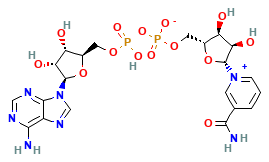
NAD+
Nicotinamide adenine dinucleotide. Cellular metabolism studies.
CAS 53-84-9
500mg vial · In stock
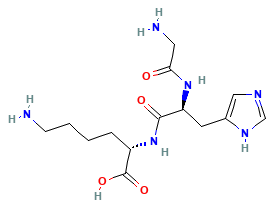
GHK-Cu
Copper tripeptide-1. Tissue regeneration studies.
CAS 49557-75-7
50mg vial · In stock
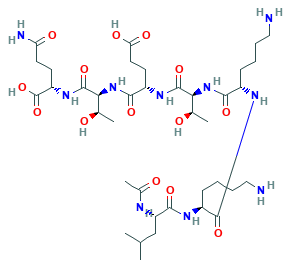
TB-500
Thymosin β4 fragment. Actin-binding domain active.
CAS 885340-08-9
5mg vial · In stock
For laboratory research use only