TB-500 Mechanism of Action: The Thymosin Beta-4 Fragment and Actin Binding
Research compounds for laboratory use only · not medical advice
How TB-500's conserved actin-binding (LKKTETQ) domain drives the cell-migration and tissue-repair mechanisms studied in research.
TB-500 is a synthetic thymosin beta-4 fragment — a short peptide built around the conserved LKKTETQ actin-binding domain that gives the full-length protein its biological activity. In research it is used as a fragment-level tool for studying actin dynamics and tissue-repair pathways.
The actin-binding domain
| Element | Role |
|---|---|
| LKKTETQ motif | Binds actin monomers — the conserved domain of thymosin beta-4 |
| Fragment design | Retains the actin-binding activity without the full 43-aa protein |
| Downstream effects studied | Cell migration, endothelial tubule formation, wound healing, anti-inflammatory signaling |
Actin dynamics sit under most cell-migration and tissue-repair research: cells must reorganize their cytoskeleton to migrate, proliferate and form new vessels. The LKKTETQ domain is the handle researchers use to probe those processes with a small, defined molecule.
Why a fragment instead of the full protein
Thymosin beta-4 is a 43-amino-acid protein. TB-500 (the fragment) is a smaller research tool that isolates the actin-binding axis. That design makes it practical for in vitro studies where a defined, lyophilized, batch-documented peptide is preferred over a full-length recombinant protein.
Research applications
- Cell migration and wound-healing models
- Endothelial cell tubule formation (angiogenesis-adjacent)
- Actin-dynamics studies
- Combined with BPC-157 in the popular BPC-157 + TB-500 blend for dual-pathway tissue-repair research
Reference data
CAS 885340-08-9 · C212H350N56O78S1 · MW 4963.4 · 99.3% purity · 5 mg lyophilized vial
Store at -20°C, reconstitute with bacteriostatic water — see TB-500 reconstitution math and BPC-157 vs TB-500.
Last updated September 9, 2026
FAQ
Frequently asked questions
What is TB-500?
TB-500 is a synthetic fragment of thymosin beta-4 (TB-4) built around the conserved actin-binding LKKTETQ domain.
What is TB-500's molecular weight?
4963.4 g/mol (C212H350N56O78S1); it ships as a lyophilized 5 mg research vial.
How does TB-500's mechanism relate to actin?
The LKKTETQ sequence binds actin monomers, which is central to the cell-migration, endothelial tubule-formation and wound-healing research models.
Is TB-500 approved for human use?
No. It is a research peptide for laboratory use only, supplied lyophilized with batch documentation.
Keep reading
Related articles
BPC-157 and the 503A Bulks List: What the July 2026 FDA Recommendation Changes
BPC-157 was recommended for the FDA 503A Bulks List in July 2026 — what the vote means, what it doesn't change, and the research status of the pentadecapeptide.
BPC-157 Mechanism of Action: The Pentadecapeptide's Repair Pathways
Angiogenesis, nitric-oxide modulation, fibroblast activity and GI mucosal protection — the mechanisms behind BPC-157's tissue-repair research profile.
FDA Advisory Committee Recommends 6 Peptides for 503A Compounding: What It Means
The July 2026 PCAC vote recommending BPC-157, KPV, TB-500, MOTS-c, Epitalon and Semax for the 503A Bulks List — the regulatory update researchers should know.
Laboratory tools
Put it into practice
From the catalog
Reference compounds
HGH 191aa
Recombinant human growth hormone. Full 191aa sequence.
CAS 12629-01-5
10IU vial · In stock
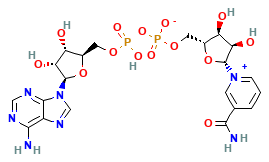
NAD+
Nicotinamide adenine dinucleotide. Cellular metabolism studies.
CAS 53-84-9
500mg vial · In stock
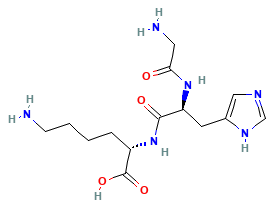
GHK-Cu
Copper tripeptide-1. Tissue regeneration studies.
CAS 49557-75-7
50mg vial · In stock
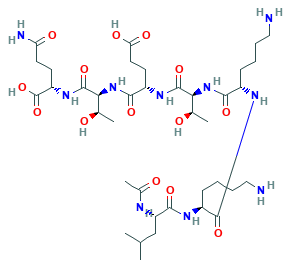
TB-500
Thymosin β4 fragment. Actin-binding domain active.
CAS 885340-08-9
5mg vial · In stock
For laboratory research use only