TB-500 Dosage and Reconstitution Math: 5 mg Vial in the Lab
Research compounds for laboratory use only · not medical advice
TB-500 vial math — reconstituting a 5 mg thymosin beta-4 fragment vial, mg to mL and U-100 unit conversions, and common research dose ranges.
TB-500 (thymosin beta-4 fragment) ships as a lyophilized research peptide in a 5 mg vial (10 vials per box) — the same 5 mg format as BPC-157, so the vial math is interchangeable.
Reconstitution table
| Water added | Stock concentration | 500 mcg | 1 mg | 2.5 mg |
|---|---|---|---|---|
| 1 mL | 5 mg/mL | 100 µL (20 units) | 200 µL (40 units) | 500 µL (100 units) |
| 2 mL | 2.5 mg/mL | 200 µL (40 units) | 400 µL (80 units) | 1 mL (200 units) |
| 5 mL | 1 mg/mL | 500 µL (100 units) | 1 mL (200 units) | 2.5 mL |
Use bacteriostatic water (0.9% benzyl alcohol). TB-500 is soluble in water and PBS; roll the vial to dissolve, no shaking.
Dose ranges in the research literature
TB-500 protocols in the literature commonly use 500 mcg to 2.5 mg per administration in animal models, depending on the model and route. For in vitro work, dilute from the stock to the assay-defined concentration; the molecular weight calculator handles molar conversions (4963.4 g/mol).
Working with the blend
The BPC-157 + TB-500 blend is a 10 mg total vial — 5 mg BPC-157 + 5 mg TB-500. Reconstitute with 2 mL for a combined 5 mg/mL (2.5 mg/mL per peptide). The unit math above applies per compound.
5 mg vial — the reference numbers
- CAS 885340-08-9 · C212H350N56O78S1 · MW 4963.4
- Purity ≥99.3% (HPLC-MS), lyophilized, -20°C storage
Use the reconstitution calculator for any target dose. See also TB-500 mechanism of action and BPC-157 vs TB-500.
Last updated September 9, 2026
FAQ
Frequently asked questions
How do I reconstitute a 5 mg TB-500 vial?
Add 2 mL of bacteriostatic water for a 2.5 mg/mL stock, or 1 mL for 5 mg/mL. Roll gently — TB-500 dissolves in water and PBS.
What are common research dose ranges for TB-500?
Preclinical protocols commonly use 500 mcg to 2.5 mg per administration in animal models, depending on the study.
How many units is 1 mg from a 2.5 mg/mL stock?
2.5 mg/mL = 2.5 mcg per µL, so 1 mg = 400 µL = 80 units on a U-100 insulin syringe.
Is the TB-500 vial math the same as BPC-157?
Yes — both are 5 mg lyophilized vials, so a 2 mL reconstitution gives 2.5 mg/mL for either.
Keep reading
Related articles
BPC-157 Dosage and Reconstitution Math: 5 mg Vial in the Lab
BPC-157 vial math — reconstituting a 5 mg lyophilized vial, mg to mL and U-100 unit conversions, and common research dose ranges.
GHK-Cu Reconstitution and Vial Math: 50 mg Copper Peptide in the Lab
GHK-Cu (CU50) vial math — reconstituting a 50 mg copper tripeptide vial, mg to mL conversions, and the concentrations used in cell-culture work.
GHK-Cu: The Copper Tripeptide, from Structure to Vial Math
What GHK-Cu is, what the copper atom changes, how the 50 mg vial reconstitutes, and why its molecular weight matters for molar work.
Laboratory tools
Put it into practice
From the catalog
Reference compounds
HGH 191aa
Recombinant human growth hormone. Full 191aa sequence.
CAS 12629-01-5
10IU vial · In stock
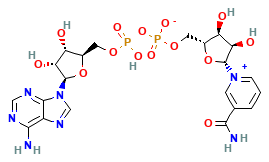
NAD+
Nicotinamide adenine dinucleotide. Cellular metabolism studies.
CAS 53-84-9
500mg vial · In stock
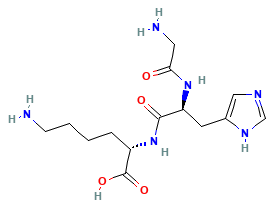
GHK-Cu
Copper tripeptide-1. Tissue regeneration studies.
CAS 49557-75-7
50mg vial · In stock
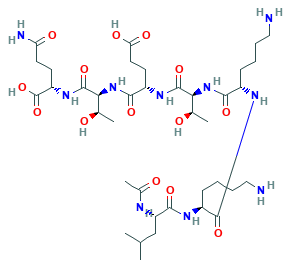
TB-500
Thymosin β4 fragment. Actin-binding domain active.
CAS 885340-08-9
5mg vial · In stock
For laboratory research use only