GHK-Cu Reconstitution and Vial Math: 50 mg Copper Peptide in the Lab
Research compounds for laboratory use only · not medical advice
GHK-Cu (CU50) vial math — reconstituting a 50 mg copper tripeptide vial, mg to mL conversions, and the concentrations used in cell-culture work.
GHK-Cu (copper tripeptide-1) is the copper-bound form of the GHK peptide — the version studied in tissue-regeneration and collagen-synthesis research. It ships as a lyophilized 50 mg vial (10 vials per box), and the reconstitution math follows the same rules as any peptide vial.
Reconstitution table
| Water added | Stock concentration | 100 mcg | 250 mcg | 500 mcg |
|---|---|---|---|---|
| 1 mL | 50 mg/mL | 2 µL | 5 µL | 10 µL |
| 2 mL | 25 mg/mL | 4 µL | 10 µL | 20 µL |
| 5 mL | 10 mg/mL | 10 µL | 25 µL | 50 µL |
Use bacteriostatic water (0.9% benzyl alcohol). GHK-Cu dissolves readily in water — roll the vial gently, no shaking needed.
Cell-culture notes
GHK-Cu is typically studied at low micromolar working concentrations. The molar weight to remember: 403.9 g/mol for the copper complex — so 403.9 µg/mL ≈ 1 mM. From a 25 mg/mL stock, a 1 mM working solution is a ~1:62 dilution. Use the molecular weight calculator for exact conversions.
The copper makes the difference
| Form | Formula | MW |
|---|---|---|
| GHK (free peptide) | C14H22N6O4 | 340.4 g/mol |
| GHK-Cu (copper complex) | C14H24N6O4Cu | 403.9 g/mol |
The copper coordination is the biologically relevant form for collagen and glycosaminoglycan synthesis studies — which is why the GLOW blend pairs GHK-Cu with BPC-157 and TB-500 in a single 70 mg research vial.
Reference data
CAS 49557-75-7 · C14H24N6O4Cu · MW 403.9 · 50 mg lyophilized vial · 99.7% purity · -20°C storage
See also GHK-Cu research profile, GHK-Cu vs BPC-157, and the reconstitution calculator.
Last updated September 9, 2026
FAQ
Frequently asked questions
How do I reconstitute a 50 mg GHK-Cu vial?
Add 2 mL of bacteriostatic water for a 25 mg/mL stock, or 1 mL for 50 mg/mL. GHK-Cu dissolves readily; roll gently.
What concentrations of GHK-Cu are used in cell culture?
Copper tripeptide is commonly studied at low micromolar concentrations; a 25 mg/mL stock can be diluted to working ranges in culture media.
What is GHK-Cu's molecular weight?
403.9 g/mol for the copper complex (C14H24N6O4Cu); the free peptide is 340.4 g/mol.
How should GHK-Cu be stored?
Lyophilized at -20°C; reconstituted solutions refrigerated and used within the bacteriostatic water's multi-use window.
Keep reading
Related articles
BPC-157 Dosage and Reconstitution Math: 5 mg Vial in the Lab
BPC-157 vial math — reconstituting a 5 mg lyophilized vial, mg to mL and U-100 unit conversions, and common research dose ranges.
TB-500 Dosage and Reconstitution Math: 5 mg Vial in the Lab
TB-500 vial math — reconstituting a 5 mg thymosin beta-4 fragment vial, mg to mL and U-100 unit conversions, and common research dose ranges.
GHK-Cu: The Copper Tripeptide, from Structure to Vial Math
What GHK-Cu is, what the copper atom changes, how the 50 mg vial reconstitutes, and why its molecular weight matters for molar work.
Laboratory tools
Put it into practice
From the catalog
Reference compounds
HGH 191aa
Recombinant human growth hormone. Full 191aa sequence.
CAS 12629-01-5
10IU vial · In stock
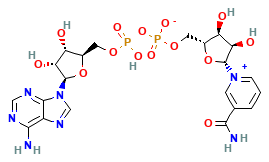
NAD+
Nicotinamide adenine dinucleotide. Cellular metabolism studies.
CAS 53-84-9
500mg vial · In stock
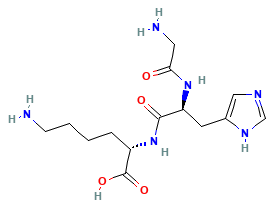
GHK-Cu
Copper tripeptide-1. Tissue regeneration studies.
CAS 49557-75-7
50mg vial · In stock
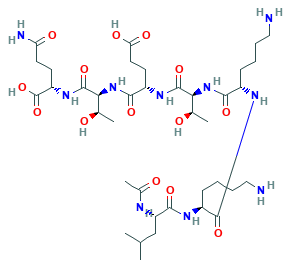
TB-500
Thymosin β4 fragment. Actin-binding domain active.
CAS 885340-08-9
5mg vial · In stock
For laboratory research use only