The 2026 Peptide Regulatory Timeline: Cat-2 Removals, the PCAC Votes, and What Comes Next
Research compounds for laboratory use only · not medical advice
Month by month through 2026: the April removal of 12 peptides from the 503A Category 2 list, the July PCAC votes with exact tallies, and the pending reviews — a working tracker for research buyers.
One year of US peptide regulation moved faster than the previous decade. This is the tracker — dates, tallies, and what each step did and didn’t decide.
Background: how we got here
Section 503A of the FD&C Act lets pharmacies compound from bulk substances on (or eligible for) the Bulks List. In 2023 the FDA found the nomination files for ~19 popular peptides — BPC-157, TB-500, CJC-1295 and others — legally insufficient, which functionally froze compounding. The June 2025 categorical framework then sorted nominees into Category 1 (proceed with evaluation), Category 2 (significant safety risks — compounding effectively prohibited) and Category 3 (insufficient data). Most research-peptide headlines since then are about movement between these buckets.
2026, month by month
| Date | Event | Peptides |
|---|---|---|
| Apr 2026 | FDA removes 12 substances from the 503A Category 2 list pending PCAC evaluation | BPC-157, TB-500, KPV, MOTS-c, Semax, Epitalon, Selank, DSIP, GHK-Cu, Melanotan II, Dihexa, Ipamorelin (specific salt forms) |
| Jul 23-24, 2026 | PCAC meets at White Oak; seven substances reviewed | see tallies below |
| Aug-Sep 2026 | No final rule; recommendations pending at FDA | — |
| Feb 2027 (scheduled) | Next PCAC cycle for remaining April cohort | GHK-Cu, Melanotan II and others |
The July tallies, exactly
- BPC-157 — 8 : 6, one abstention (overruling the staff’s negative preliminary assessment)
- KPV — 8 : 6; TB-500 — 8 : 6
- MOTS-c — 7 : 5; Epitalon — 7 : 4, one abstention; Semax — majority in favor
- Emideltide — rejected (the only no)
Our meeting-level analysis with safety-signals context: FDA Panel Backs Six Peptides.
What each step decides — and doesn’t
Cat-2 removal deletes the “significant safety risk” flag; it grants nothing. PCAC yes-votes are advisory recommendations toward Bulks Listing — the FDA is free to follow, modify or ignore them, and final listing needs notice-and-comment rulemaking. Between the two sits the honest status for the July six: recommended, not resolved.
Buying posture while the ink dries
Three practical reads for research supply: (1) documentation quality will matter more, not less — rulemaking will audit the batch-paper trail (see how to read a COA); (2) vendors making “FDA compliant” claims about these peptides today are describing a process that hasn’t concluded — ask which specific step they mean (supplier checks); (3) catalog continuity is a real risk factor: the six recommended compounds are the safest long-term catalog bets in the peptide space right now, and the February 2027 queue is the next date to watch.
References: FDA, “July 23-24, 2026: Meeting of the Pharmacy Compounding Advisory Committee” (advisory-committee calendar, fda.gov) · AJMC, “FDA Panel Backs 6 Peptides for Compounding,” July 2026 · FDA, “Certain Bulk Drug Substances for Use in Compounding That May Present Significant Safety Risks” (Category 2 page, updated May 14, 2026).
For laboratory research use only. Not medical or legal advice. Statuses summarized September 2026.
FAQ
Frequently asked questions
What happened to peptide compounding rules in 2026?
Three beats: in April the FDA pulled 12 popular peptides off the 503A Category 2 'significant safety risks' list pending review; on July 23-24 its advisory committee (PCAC) voted to recommend six of seven reviewed peptides for the Bulks List; as of September no final rule has been published.
Which peptides did PCAC recommend in July 2026?
BPC-157, KPV and TB-500 each passed 8-6 with one abstention; MOTS-c passed 7-5; Epitalon 7-4; Semax a majority in favor. Emideltide was the one rejected. All recommendations are advisory — final listing requires FDA rulemaking.
Does removal from Category 2 mean a peptide is legal to compound?
No — it means the substance is no longer flagged as a significant safety risk and moves to a transitional 'awaiting evaluation' status. Pharmacies still weigh their own compliance posture; 'not banned' is not 'approved'.
What is still pending?
GHK-Cu, Melanotan II, DSIP, Selank, Ipamorelin and the other April-removed peptides sit in later review queues — GHK-Cu and Melanotan II were slated for a February 2027 PCAC cycle. The June 2025 Category 2 designations themselves remain under litigation and revision.
Keep reading
Related articles
BPC-157 and the 503A Bulks List: What the July 2026 FDA Recommendation Changes
BPC-157 was recommended for the FDA 503A Bulks List in July 2026 — what the vote means, what it doesn't change, and the research status of the pentadecapeptide.
BPC-157 Mechanism of Action: The Pentadecapeptide's Repair Pathways
Angiogenesis, nitric-oxide modulation, fibroblast activity and GI mucosal protection — the mechanisms behind BPC-157's tissue-repair research profile.
FDA Advisory Committee Recommends 6 Peptides for 503A Compounding: What It Means
The July 2026 PCAC vote recommending BPC-157, KPV, TB-500, MOTS-c, Epitalon and Semax for the 503A Bulks List — the regulatory update researchers should know.
From the catalog
Reference compounds
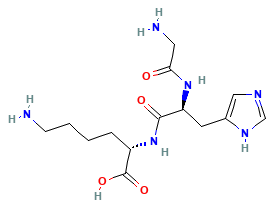
GHK-Cu
Copper tripeptide-1. Tissue regeneration studies.
CAS 49557-75-7
50mg vial · In stock
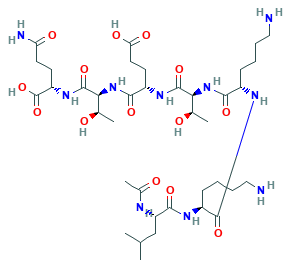
TB-500
Thymosin β4 fragment. Actin-binding domain active.
CAS 885340-08-9
5mg vial · In stock
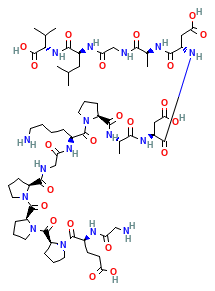
BPC-157
Pentadecapeptide. Gastric pentadecapeptide research.
CAS 137525-51-0
5mg vial · In stock
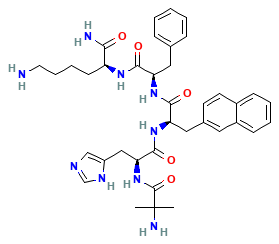
Ipamorelin
Selective GH secretagogue pentapeptide.
CAS 170851-70-4
5mg vial · In stock
For laboratory research use only