KPV vs BPC-157: Anti-Inflammatory Tripeptide vs Repair Pentadecapeptide
Research compounds for laboratory use only · not medical advice
Comparing KPV (Lys-Pro-Val) and BPC-157 — two peptide research directions for inflammation and tissue repair, and how their mechanisms differ.
KPV and BPC-157 are often mentioned together because they live in the same corner of peptide research — tissue recovery — but they work through very different designs: a three-amino-acid anti-inflammatory fragment versus a fifteen-amino-acid repair peptide.
The molecules
| KPV | BPC-157 | |
|---|---|---|
| Sequence | Lys-Pro-Val (3 aa) | Pentadecapeptide (15 aa) |
| Origin | C-terminal fragment of α-MSH | Sequence from gastric juice protein |
| MW | ≈ 342 g/mol | ≈ 1419 g/mol |
| Research focus | Inflammatory modulation | Tissue repair / angiogenesis |
KPV: the anti-inflammatory arm
KPV’s research profile centers on NF-κB-associated signaling and cytokine modulation — the inflammatory-tone side of the recovery story. It appears in epithelial barrier and mucosal integrity studies, and its minimal size makes it a focused probe for anti-inflammatory peptide signaling without melanocortin pigmentation activity.
BPC-157: the repair arm
BPC-157’s research is dominated by angiogenesis, tendon and ligament fibroblast activity, and gastrointestinal mucosal protection. It is one of the most-studied peptides in regenerative research, referenced across wound-healing and tissue-repair models.
How they complement each other
Inflammation and repair are two phases of the same tissue response, which is why the two peptides show up together in the GLOW research blend (BPC-157 + GHK-Cu + TB-500) and its KLOW extension with KPV — pairing a repair scaffold with an anti-inflammatory arm for combined regenerative studies.
Handling notes
Both are lyophilized and reconstituted with bacteriostatic water; the reconstitution calculator handles the liquid math.
See KPV and BPC-157 for CAS, purity and full specifications.
For laboratory research use only. Not medical advice.
Last updated September 9, 2026
FAQ
Frequently asked questions
What is the difference between KPV and BPC-157?
KPV is the anti-inflammatory C-terminal tripeptide of α-MSH, studied for cytokine modulation and epithelial barrier support. BPC-157 is a 15-amino-acid pentadecapeptide studied for angiogenesis, tendon fibroblast activity and gastrointestinal mucosa repair.
Are KPV and BPC-157 used together?
They appear together in research blends — the GLOW/KLOW combinations pair BPC-157's repair profile with KPV's anti-inflammatory arm for multi-pathway regenerative studies.
Which is for inflammation and which for repair?
KPV's research focus is inflammatory modulation (NF-κB and cytokine signaling); BPC-157's is structural repair (angiogenesis and tissue regeneration). They are complementary rather than interchangeable.
Keep reading
Related articles
GHK-Cu Reconstitution and Vial Math: 50 mg Copper Peptide in the Lab
GHK-Cu (CU50) vial math — reconstituting a 50 mg copper tripeptide vial, mg to mL conversions, and the concentrations used in cell-culture work.
KPV Peptide: The Anti-Inflammatory α-MSH Fragment
KPV (Lys-Pro-Val), the C-terminal tripeptide of α-MSH, and its research profile in cytokine modulation, NF-κB signaling and mucosal integrity studies.
AOD-9604: The hGH Fragment 177-191 Lipolytic Peptide
AOD-9604, the synthetic analog of hGH fragment 177-191, and its research in lipolysis, fat metabolism and growth-hormone fragment pharmacology.
Laboratory tools
Put it into practice
From the catalog
Reference compounds
HGH 191aa
Recombinant human growth hormone. Full 191aa sequence.
CAS 12629-01-5
10IU vial · In stock
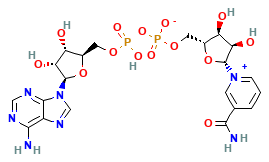
NAD+
Nicotinamide adenine dinucleotide. Cellular metabolism studies.
CAS 53-84-9
500mg vial · In stock
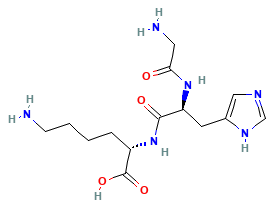
GHK-Cu
Copper tripeptide-1. Tissue regeneration studies.
CAS 49557-75-7
50mg vial · In stock
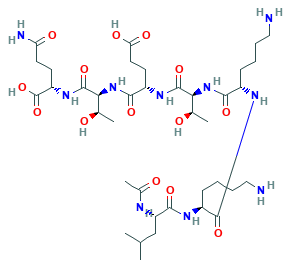
TB-500
Thymosin β4 fragment. Actin-binding domain active.
CAS 885340-08-9
5mg vial · In stock
For laboratory research use only