KPV Peptide: The Anti-Inflammatory α-MSH Fragment
Research compounds for laboratory use only · not medical advice
KPV (Lys-Pro-Val), the C-terminal tripeptide of α-MSH, and its research profile in cytokine modulation, NF-κB signaling and mucosal integrity studies.
KPV is what happens when a much larger signaling molecule is trimmed down to the three residues that do the anti-inflammatory work. It is the C-terminal tripeptide of α-melanocyte-stimulating hormone, and it is studied precisely because it separates the anti-inflammatory arm of α-MSH from the melanotropic arm.
The molecule
KPV is the sequence Lys-Pro-Val (C₁₆H₃₀N₄O₄, ≈ 342 g/mol) — the last three amino acids of α-MSH. The parent peptide signals through the melanocortin system; KPV on its own is referenced in research for pro-resolution, cytokine-modulating activity tied to NF-κB–associated signaling, while showing no pigmentation pathway engagement.
Why it’s studied
Because KPV keeps the anti-inflammatory profile of α-MSH without the pigment response, it appears in research on:
- Mucosal and epithelial barrier integrity — where local inflammatory tone is the question
- Wound and dermal models — cell migration and local cytokine balance
- Combination formulations — it is one of the three arms in the GLOW and KLOW research blends, alongside BPC-157, GHK-Cu and TB-500
A frequently cited reference is Lipton’s 1992 patent on antipyretic and anti-inflammatory Lys-Pro-Val compositions — one of the earliest documents framing KPV as an independent active sequence rather than an inert fragment.
Handling notes
KPV is supplied lyophilized and reconstituted with bacteriostatic water before use; the reconstitution calculator handles the liquid math. Storage at −20°C lyophilized.
See KPV for CAS, purity and full specifications.
For laboratory research use only. Not medical advice.
Last updated September 9, 2026
FAQ
Frequently asked questions
What is KPV peptide?
KPV is a three-amino-acid peptide (Lys-Pro-Val) that forms the C-terminal fragment of α-melanocyte-stimulating hormone (α-MSH). It retains the parent molecule's anti-inflammatory activity without melanotropic (pigmentation) effects.
What research is KPV used in?
KPV is studied in cytokine-modulation and NF-κB pathway research, epithelial barrier and mucosal integrity models, and wound-healing and dermal regeneration studies.
Is KPV the same as α-MSH?
No. KPV is only the final three residues of α-MSH. It keeps anti-inflammatory signaling but lacks the melanocortin receptor activity that drives pigmentation, which is why it is studied as a focused anti-inflammatory tripeptide.
Keep reading
Related articles
GHK-Cu Reconstitution and Vial Math: 50 mg Copper Peptide in the Lab
GHK-Cu (CU50) vial math — reconstituting a 50 mg copper tripeptide vial, mg to mL conversions, and the concentrations used in cell-culture work.
KPV vs BPC-157: Anti-Inflammatory Tripeptide vs Repair Pentadecapeptide
Comparing KPV (Lys-Pro-Val) and BPC-157 — two peptide research directions for inflammation and tissue repair, and how their mechanisms differ.
AOD-9604: The hGH Fragment 177-191 Lipolytic Peptide
AOD-9604, the synthetic analog of hGH fragment 177-191, and its research in lipolysis, fat metabolism and growth-hormone fragment pharmacology.
Laboratory tools
Put it into practice
From the catalog
Reference compounds
HGH 191aa
Recombinant human growth hormone. Full 191aa sequence.
CAS 12629-01-5
10IU vial · In stock
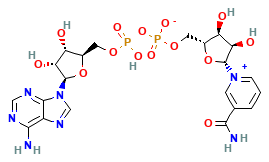
NAD+
Nicotinamide adenine dinucleotide. Cellular metabolism studies.
CAS 53-84-9
500mg vial · In stock
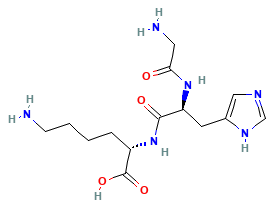
GHK-Cu
Copper tripeptide-1. Tissue regeneration studies.
CAS 49557-75-7
50mg vial · In stock
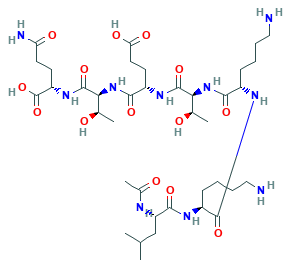
TB-500
Thymosin β4 fragment. Actin-binding domain active.
CAS 885340-08-9
5mg vial · In stock
For laboratory research use only