AOD-9604: The hGH Fragment 177-191 Lipolytic Peptide
Research compounds for laboratory use only · not medical advice
AOD-9604, the synthetic analog of hGH fragment 177-191, and its research in lipolysis, fat metabolism and growth-hormone fragment pharmacology.
AOD-9604 is an exercise in fragment biology: take a short region of human growth hormone, modify it to shed unwanted activity, and study what the remaining sequence does on its own.
The molecule
AOD-9604 (C₇₈H₁₂₃N₂₃O₂₃S₂, ≈ 1815 g/mol) is a synthetic analog of hGH fragment 177-191 — the C-terminal region of human growth hormone. The analog was modified to remove the diabetogenic activity associated with the full molecule, so that the fragment’s lipolytic signaling can be studied in isolation.
What the research looks at
- Lipolysis and fat metabolism — the dominant thread; how the fragment signals lipid mobilization
- Growth-hormone fragment pharmacology — the broader question of which hGH regions carry which activities
- Metabolic-regulatory signaling — where the fragment sits relative to full-hormone metabolic effects
Handling notes
Lyophilized, reconstitute with bacteriostatic water; the reconstitution calculator handles the math. Store at −20°C lyophilized.
See AOD-9604 for CAS, purity and full specifications.
For laboratory research use only. Not medical advice.
Last updated September 9, 2026
FAQ
Frequently asked questions
What is AOD-9604?
AOD-9604 is a synthetic analog of the C-terminal fragment (177-191) of human growth hormone, modified to remove diabetogenic activity while retaining lipolytic research interest.
What research uses AOD-9604?
Lipolysis and fat-metabolism research, growth-hormone fragment pharmacology, and metabolic-regulatory signaling models.
Why study a growth-hormone fragment?
Certain hGH fragments carry metabolic activity independently of the full hormone. Fragment 177-191 is studied for lipolytic signaling without the broader effects of intact growth hormone.
Keep reading
Related articles
BPC-157 Dosage and Reconstitution Math: 5 mg Vial in the Lab
BPC-157 vial math — reconstituting a 5 mg lyophilized vial, mg to mL and U-100 unit conversions, and common research dose ranges.
CJC-1295 No DAC (Mod GRF 1-29): The Short-Acting GHRH Analog
CJC-1295 No DAC (Modified GRF 1-29), the tetrasubstituted GHRH analog with DPP-IV resistance, and its research in GH-secretagogue and pulsatility studies.
DSIP: Delta Sleep-Inducing Peptide Research Profile
DSIP, the nonapeptide isolated from cerebral blood, and its research in sleep-wake regulation, stress-response and neuropeptide signaling studies.
Laboratory tools
Put it into practice
From the catalog
Reference compounds
HGH 191aa
Recombinant human growth hormone. Full 191aa sequence.
CAS 12629-01-5
10IU vial · In stock
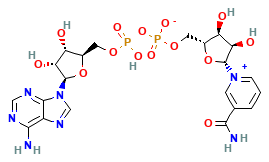
NAD+
Nicotinamide adenine dinucleotide. Cellular metabolism studies.
CAS 53-84-9
500mg vial · In stock
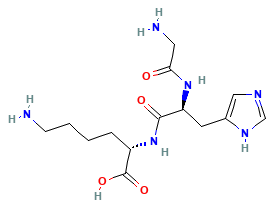
GHK-Cu
Copper tripeptide-1. Tissue regeneration studies.
CAS 49557-75-7
50mg vial · In stock
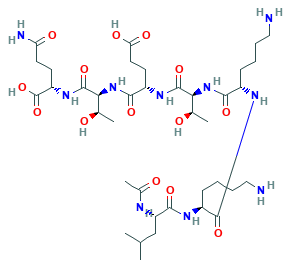
TB-500
Thymosin β4 fragment. Actin-binding domain active.
CAS 885340-08-9
5mg vial · In stock
For laboratory research use only