CJC-1295 No DAC (Mod GRF 1-29): The Short-Acting GHRH Analog
Research compounds for laboratory use only · not medical advice
CJC-1295 No DAC (Modified GRF 1-29), the tetrasubstituted GHRH analog with DPP-IV resistance, and its research in GH-secretagogue and pulsatility studies.
CJC-1295 No DAC is the same 29-residue GHRH fragment as Sermorelin — with four deliberate substitutions that change how long it survives. And the “No DAC” in its name is the whole point: it is the version built to stay short-acting.
The molecule
Modified GRF 1-29 (C₁₅₂H₂₅₂N₄₄O₄₂, ≈ 3368 g/mol) is GHRH 1-29 with amino acid substitutions at positions 2, 8, 15 and 27 (D-Ala², Gln⁸, Ala¹⁵, Leu²⁷) designed to resist DPP-IV and other peptidases. The parent sequence is the same receptor-active fragment studied in Sermorelin.
What “No DAC” means
The DAC (Drug Affinity Complex) modification used in other CJC-1295 variants covalently binds serum albumin, stretching circulating half-life to days. No DAC deliberately omits it — half-life stays around 30 minutes, which produces discrete GH pulses rather than sustained elevation. For pulsatility research, that is the feature, not a limitation.
What the research looks at
- GHRH-receptor agonism — the same somatotroph pathway as native GHRH
- Pulsatile GH release — how short-acting GHRH analogs shape pulse timing
- Combination studies with secretagogues — commonly paired with GHRP-6 to study GHRH-pathway + ghrelin-pathway interaction
Teichman et al. (Clinical Pharmacology & Therapeutics, 2006) is the standard reference for the CJC-1295 family.
Handling notes
Lyophilized, reconstitute with bacteriostatic water; the reconstitution calculator handles the math. Store at −20°C lyophilized.
See CJC-1295 No DAC for CAS, purity and full specifications.
For laboratory research use only. Not medical advice.
Last updated September 9, 2026
FAQ
Frequently asked questions
What is CJC-1295 No DAC?
CJC-1295 No DAC (Modified GRF 1-29) is a synthetic 29-amino-acid GHRH analog with four substitutions (positions 2, 8, 15, 27) that confer resistance to DPP-IV degradation.
What does 'No DAC' mean?
DAC (Drug Affinity Complex) is a modification that binds albumin to extend half-life. The No DAC version omits it, keeping a short half-life that preserves the pulsatile nature of GH release.
How is it different from Sermorelin?
Both are GHRH 1-29 fragments. CJC-1295 No DAC adds four stability substitutions that Sermorelin lacks, making it the more degradation-resistant research variant.
Keep reading
Related articles
AOD-9604: The hGH Fragment 177-191 Lipolytic Peptide
AOD-9604, the synthetic analog of hGH fragment 177-191, and its research in lipolysis, fat metabolism and growth-hormone fragment pharmacology.
BPC-157 Dosage and Reconstitution Math: 5 mg Vial in the Lab
BPC-157 vial math — reconstituting a 5 mg lyophilized vial, mg to mL and U-100 unit conversions, and common research dose ranges.
DSIP: Delta Sleep-Inducing Peptide Research Profile
DSIP, the nonapeptide isolated from cerebral blood, and its research in sleep-wake regulation, stress-response and neuropeptide signaling studies.
Laboratory tools
Put it into practice
From the catalog
Reference compounds
HGH 191aa
Recombinant human growth hormone. Full 191aa sequence.
CAS 12629-01-5
10IU vial · In stock
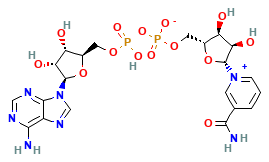
NAD+
Nicotinamide adenine dinucleotide. Cellular metabolism studies.
CAS 53-84-9
500mg vial · In stock
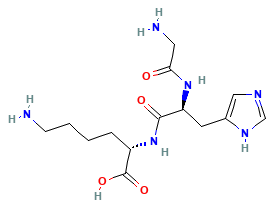
GHK-Cu
Copper tripeptide-1. Tissue regeneration studies.
CAS 49557-75-7
50mg vial · In stock
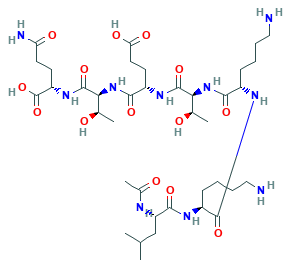
TB-500
Thymosin β4 fragment. Actin-binding domain active.
CAS 885340-08-9
5mg vial · In stock
For laboratory research use only