DSIP: Delta Sleep-Inducing Peptide Research Profile
Research compounds for laboratory use only · not medical advice
DSIP, the nonapeptide isolated from cerebral blood, and its research in sleep-wake regulation, stress-response and neuropeptide signaling studies.
DSIP was one of the first peptides isolated for a specific electroencephalographic association — the delta (slow-wave) sleep pattern — and it remains a recurring subject in sleep and stress research precisely because its biology never fit neatly into a single pathway.
The molecule
Delta sleep-inducing peptide is a nonapeptide (C₃₅H₄₈N₁₀O₁₅, ≈ 849 g/mol), first characterized from rabbit cerebral blood by Schoenenberger and Monnier in 1977. Its name comes from the original observation, but the research literature treats it as a broader neuropeptide with effects reported across sleep, stress, and endocrine regulation.
What the research looks at
DSIP appears across several distinct research threads:
- Sleep-wake regulation — the original association with delta activity in EEG studies
- Stress-response modulation — effects on the HPA axis reported in animal models
- Endocrine and metabolic regulation — including interactions with growth-hormone and metabolic signaling
- Neuroprotective research — where its presence in both blood and brain tissue makes it a candidate in CNS peptide studies
Because its mechanism is not a single clean receptor pathway, DSIP research tends to be descriptive and systems-level: what changes in sleep architecture, stress markers, and neuroendocrine output when the peptide is present.
Regulatory status (2026)
DSIP sat on the FDA’s 503A Category 2 “significant safety risks” list under the June 2025 categorical framework. In April 2026 it was one of twelve peptides removed from Category 2 — which lifts the compounding-prohibition flag but grants nothing: DSIP was not among the seven substances PCAC voted on in July 2026, so its evaluation is still queued. For research buyers the practical read is documentation discipline, not deregulation — see the 2026 regulatory timeline.
Handling notes
DSIP is lyophilized and reconstituted with bacteriostatic water; the reconstitution calculator does the liquid math. Store at −20°C lyophilized, protect from light.
See DSIP for CAS, purity and full specifications.
For laboratory research use only. Not medical advice.
Last updated September 9, 2026
FAQ
Frequently asked questions
What is DSIP?
Delta sleep-inducing peptide is a naturally occurring nonapeptide first isolated from rabbit cerebral blood in the 1970s by Schoenenberger and Monnier, and named for its association with slow-wave (delta) sleep.
What research uses DSIP?
DSIP is studied in sleep-wake regulation models, stress-response modulation, endocrine regulation, and neuroprotective research, with an interest in its broad central-nervous-system profile.
Is DSIP a hormone?
It is generally classified as a neuropeptide rather than a hormone. It is found in blood and brain tissue, and its research spans circadian and stress biology rather than a single endocrine axis.
Keep reading
Related articles
AOD-9604: The hGH Fragment 177-191 Lipolytic Peptide
AOD-9604, the synthetic analog of hGH fragment 177-191, and its research in lipolysis, fat metabolism and growth-hormone fragment pharmacology.
BPC-157 Dosage and Reconstitution Math: 5 mg Vial in the Lab
BPC-157 vial math — reconstituting a 5 mg lyophilized vial, mg to mL and U-100 unit conversions, and common research dose ranges.
CJC-1295 No DAC (Mod GRF 1-29): The Short-Acting GHRH Analog
CJC-1295 No DAC (Modified GRF 1-29), the tetrasubstituted GHRH analog with DPP-IV resistance, and its research in GH-secretagogue and pulsatility studies.
Laboratory tools
Put it into practice
From the catalog
Reference compounds
HGH 191aa
Recombinant human growth hormone. Full 191aa sequence.
CAS 12629-01-5
10IU vial · In stock
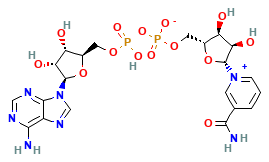
NAD+
Nicotinamide adenine dinucleotide. Cellular metabolism studies.
CAS 53-84-9
500mg vial · In stock
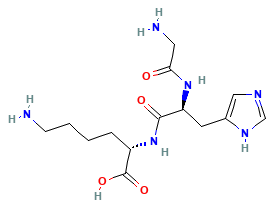
GHK-Cu
Copper tripeptide-1. Tissue regeneration studies.
CAS 49557-75-7
50mg vial · In stock
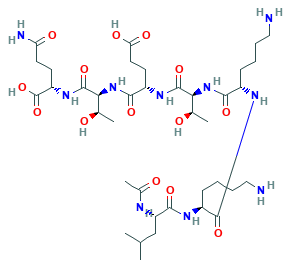
TB-500
Thymosin β4 fragment. Actin-binding domain active.
CAS 885340-08-9
5mg vial · In stock
For laboratory research use only