VIP (Vasoactive Intestinal Peptide): The 28-Residue Neuropeptide
Research compounds for laboratory use only · not medical advice
VIP, the 28-amino-acid neuropeptide of the secretin/glucagon family, and its research in neuroimmunomodulation, vasodilation and VPAC-receptor pharmacology.
VIP was named for what it did to intestinal blood vessels in 1970. Five decades of research later, it is studied across the nervous system, the immune system, and smooth muscle — a reminder that peptide names often capture only the first thing a peptide was found to do.
The molecule
VIP is a 28-amino-acid peptide (C₁₄₇H₂₃₇N₄₃O₄₃S, ≈ 3327 g/mol) belonging to the secretin/glucagon peptide family. It was isolated from small intestine by Said and Mutt (Science, 1970) and named for its vasodilatory activity; the name stuck even as its research scope expanded far beyond blood vessels.
What the research looks at
- VPAC1/VPAC2 receptor pharmacology — VIP acts through two class B GPCRs, a core focus of its signaling research
- Neuroimmunomodulation — VIP bridges neural and immune signaling, a distinctive and active thread
- Vasodilation and smooth muscle — the original research direction, still relevant
- Anti-inflammatory peptide signaling — VIP is studied as an immunomodulatory rather than purely vasoactive peptide
Handling notes
Lyophilized, reconstitute with bacteriostatic water; the reconstitution calculator handles the math. Store at −20°C lyophilized.
See VIP for CAS, purity and full specifications.
For laboratory research use only. Not medical advice.
Last updated September 9, 2026
FAQ
Frequently asked questions
What is VIP?
VIP (vasoactive intestinal peptide) is a 28-amino-acid neuropeptide belonging to the secretin/glucagon family, discovered by Said and Mutt (Science, 1970).
What research uses VIP?
Neuroimmunomodulation, vasodilation and smooth-muscle research, VPAC1/VPAC2 receptor pharmacology, and anti-inflammatory peptide signaling.
What does VIP stand for?
Vasoactive intestinal peptide — named for its original observed activity on intestinal blood vessels, which later broadened into a much wider neuropeptide research field.
Keep reading
Related articles
AOD-9604: The hGH Fragment 177-191 Lipolytic Peptide
AOD-9604, the synthetic analog of hGH fragment 177-191, and its research in lipolysis, fat metabolism and growth-hormone fragment pharmacology.
BPC-157 Dosage and Reconstitution Math: 5 mg Vial in the Lab
BPC-157 vial math — reconstituting a 5 mg lyophilized vial, mg to mL and U-100 unit conversions, and common research dose ranges.
CJC-1295 No DAC (Mod GRF 1-29): The Short-Acting GHRH Analog
CJC-1295 No DAC (Modified GRF 1-29), the tetrasubstituted GHRH analog with DPP-IV resistance, and its research in GH-secretagogue and pulsatility studies.
Laboratory tools
Put it into practice
From the catalog
Reference compounds
HGH 191aa
Recombinant human growth hormone. Full 191aa sequence.
CAS 12629-01-5
10IU vial · In stock
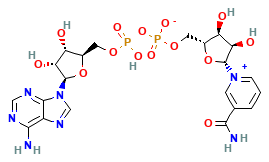
NAD+
Nicotinamide adenine dinucleotide. Cellular metabolism studies.
CAS 53-84-9
500mg vial · In stock
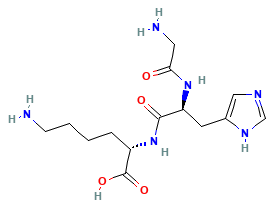
GHK-Cu
Copper tripeptide-1. Tissue regeneration studies.
CAS 49557-75-7
50mg vial · In stock
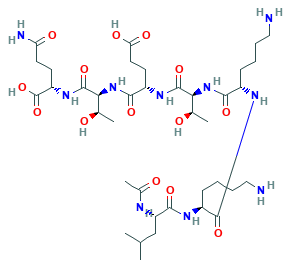
TB-500
Thymosin β4 fragment. Actin-binding domain active.
CAS 885340-08-9
5mg vial · In stock
For laboratory research use only