TB-500: The Thymosin Beta-4 Fragment, Explained
Research compounds for laboratory use only · not medical advice
What TB-500 is, what the actin-binding domain does, and how the 5 mg vial reconstitutes — a practical research reference.
TB-500 is one of those compounds where the label hides a subtlety: it isn’t Thymosin Beta-4 itself, but the synthetic fragment built around its active region. That distinction matters for understanding what it’s referenced for.
What the fragment actually is
Thymosin Beta-4 is a 43-amino-acid protein involved in actin regulation and cell motility. TB-500 — the version used in research — is the synthetic fragment containing its actin-binding domain. Think of it as the working part of the protein, isolated and stabilized for research use.
Its molecular weight works out to roughly 4,963 g/mol. That’s a heavy molecule compared to most peptides in the catalog — BPC-157, for comparison, is about 1,419 g/mol. When a protocol moves from mass to molar amounts, that difference shows up immediately, so the molecular weight calculator comes in handy.
Reconstitution and handling
TB-500 ships as a 5 mg lyophilized vial — identical reconstitution math to any other peptide:
- 5 mg + 2 mL bacteriostatic water → 2,500 µg/mL
- A 250 µg dose = 10 units on a U-100 syringe
The reconstitution calculator has the TB-500 preset. Storage is −20 °C lyophilized; reconstituted solutions go in the refrigerator and follow the COA window.
Research context
The fragment’s actin-binding domain puts it in cell migration, motility and tissue-repair pathway studies. See TB-500 for CAS, purity and full specifications, and the BPC-157 vs TB-500 comparison for how the two repair-pathway peptides differ.
For laboratory research use only. Not medical advice.
Last updated September 9, 2026
FAQ
Frequently asked questions
What is TB-500 exactly?
TB-500 is the synthetic fragment of Thymosin Beta-4 containing the actin-binding domain — the region referenced in cell migration and tissue-repair studies. It is not the full protein.
How big is TB-500 compared to other peptides?
Its molecular weight is about 4,963 g/mol — roughly three and a half times larger than BPC-157. Both ship as 5 mg lyophilized vials, so reconstitution math is the same.
How should TB-500 be stored after reconstitution?
Lyophilized at −20 °C. Once reconstituted with bacteriostatic water, refrigerate and follow the Certificate of Analysis stability window — fragment peptides are commonly noted to have shorter solution stability.
Keep reading
Related articles
BPC-157 Dosage and Reconstitution Math: 5 mg Vial in the Lab
BPC-157 vial math — reconstituting a 5 mg lyophilized vial, mg to mL and U-100 unit conversions, and common research dose ranges.
GHK-Cu: The Copper Tripeptide, from Structure to Vial Math
What GHK-Cu is, what the copper atom changes, how the 50 mg vial reconstitutes, and why its molecular weight matters for molar work.
GHK-Cu Reconstitution and Vial Math: 50 mg Copper Peptide in the Lab
GHK-Cu (CU50) vial math — reconstituting a 50 mg copper tripeptide vial, mg to mL conversions, and the concentrations used in cell-culture work.
Laboratory tools
Put it into practice
From the catalog
Reference compounds
HGH 191aa
Recombinant human growth hormone. Full 191aa sequence.
CAS 12629-01-5
10IU vial · In stock
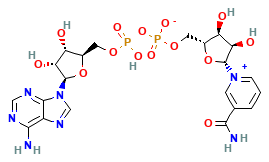
NAD+
Nicotinamide adenine dinucleotide. Cellular metabolism studies.
CAS 53-84-9
500mg vial · In stock
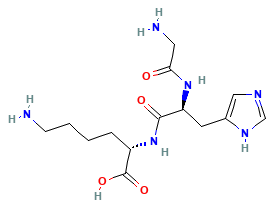
GHK-Cu
Copper tripeptide-1. Tissue regeneration studies.
CAS 49557-75-7
50mg vial · In stock
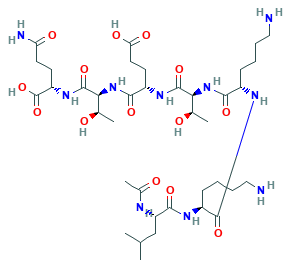
TB-500
Thymosin β4 fragment. Actin-binding domain active.
CAS 885340-08-9
5mg vial · In stock
For laboratory research use only