Semax vs Selank: Two Russian Heptapeptides, Two Research Lanes
Research compounds for laboratory use only · not medical advice
ACTH-fragment lineage versus tuftsin lineage — how Semax and Selank differ in sequence origin, signaling focus (BDNF vs cytokine/GABA), and where each is used as a CNS reference peptide.
Sold as a pair since the 2010s, studied as siblings since the 1980s — Semax and Selank come out of the same Russian peptide-stabilization program but answer to different parent molecules.
Side by side
| Semax | Selank | |
|---|---|---|
| Sequence | Met-Glu-His-Phe-Pro-Gly-Pro | Thr-Lys-Pro-Arg-Pro-Gly-Pro |
| Parent fragment | ACTH 4-10 (hormone fragment) | Tuftsin (immune tetrapeptide) + extension |
| Approx. MW | ≈ 814 g/mol | ≈ 752 g/mol |
| Primary research lane | BDNF signaling, cognitive-plasticity models | Anxiolytic modulation, cytokine balance |
| Vial form (our catalog) | 1 mg / 5 mg lyophilized | 1 mg / 5 mg lyophilized |
The full mechanics of each are in their guides: Semax and Selank.
The design trick they share
Both natural fragments — an ACTH piece and an immune tetrapeptide — were enzymatically short-lived. The program’s move was surgical: keep the pharmacophore, edit the edges, re-test stability. That’s why both read as “heptapeptide + something”: Semax extends the 4-10 core; Selank appends Pro-Gly-Pro onto tuftsin. For vial math they behave like any lyophilized peptide — reconstitution calculator, molar conversions in the MW calculator.
Choosing between them in a panel
Cognitive-endpoint batteries reach for Semax; anxiety/stress-axis and immunomodulation batteries reach for Selank; panels that assay both lanes run both — they are not interchangeable, and the reason is written into their sequences. If the question is sleep-axis rather than either of these, the third Russian favorite in that slot is DSIP.
References: Kopylova L.A. et al., “Synthetic Peptide Analog of ACTH4-10 and Semax… (Review).” Russian Journal of Bioorganic Chemistry, 2019 · Site profiles: Semax guide, Selank guide.
For laboratory research use only. Not medical advice.
FAQ
Frequently asked questions
What is the core difference between Semax and Selank?
Origin and signaling lane. Semax is an ACTH 4-10 fragment analog studied mainly in BDNF/cognitive-plasticity models; Selank embeds the immune tetrapeptide tuftsin and is studied in anxiety-modulation and cytokine-balance models. Both are synthetic heptapeptides from the same Russian program.
Same dose, same results?
No — published research protocols treat them as separate instruments; the weight ranges overlap, the endpoints do not. Cognitive panels sometimes run both, which is why vendors sell them as a pair.
Which one is 'the nootropic'?
Semax — its literature consistently centers on learning/memory task models and BDNF-dependent plasticity. Selank's center of gravity is anxiolytic and immunomodulatory endpoints.
Are they the same family as ACTH or tuftsin?
Each is a stabilized analog of a different endogenous peptide: Semax of ACTH(4-10), Selank of tuftsin with a C-terminal extension. The stabilizing edits are what turned two short-lived natural fragments into research compounds with workable profiles.
Keep reading
Related articles
BPC-157 vs TB-500: Two Repair-Pathway Peptides Compared
Mechanism, molecular weight, reconstitution and research applications of BPC-157 (5 mg) and TB-500 (5 mg), the two most-asked-about repair peptides.
GHK-Cu vs BPC-157: Copper Peptide vs Pentadecapeptide
Two tissue-focused peptides from different worlds — copper complex vs gastric pentadecapeptide, 50 mg vs 5 mg vial, and how each is studied.
Ipamorelin vs HGH 191aa: GH-Axis Research Compared
Secretagogue vs full-length hormone — receptor route, vial form, IU vs mg math, and what each brings to growth-hormone-axis research.
Laboratory tools
Put it into practice
From the catalog
Reference compounds
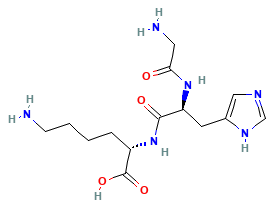
GHK-Cu
Copper tripeptide-1. Tissue regeneration studies.
CAS 49557-75-7
50mg vial · In stock
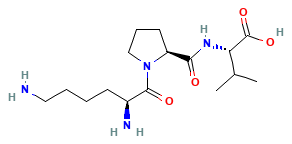
KPV
Anti-inflammatory tripeptide (Lys-Pro-Val). α-MSH fragment.
CAS 67727-97-3
10mg vial · In stock
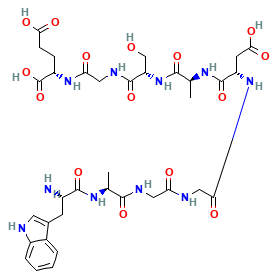
DSIP
Delta sleep-inducing peptide. Nonapeptide.
CAS 34461-88-6
10mg vial · In stock
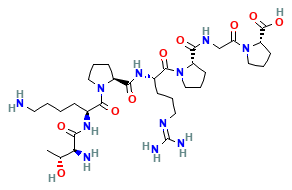
Selank
Anxiolytic heptapeptide analog of tuftsin.
CAS 129954-34-3
10mg vial · In stock
For laboratory research use only