PT-141 (Bremelanotide): The MC4R-Selective Cyclic Peptide
Research compounds for laboratory use only · not medical advice
PT-141 (bremelanotide), the melanocortin-4 receptor agonist derived from Melanotan II, and its research in MC4-receptor pharmacology and neuroendocrine models.
PT-141 is what happens when a research team takes a non-selective peptide and asks: what if we could pick just one receptor? It is the MC4R-selective derivative of Melanotan II, and that selectivity is the entire research story.
The molecule
PT-141 (bremelanotide, C₅₀H₆₈N₁₄O₁₀, ≈ 1025 g/mol) is a cyclic heptapeptide derived from the Melanotan II scaffold. The scaffold itself is a cyclic α-MSH analog; the PT-141 modification shifts selectivity toward the melanocortin-4 receptor (MC4R), redirecting research interest from MC1-driven pigmentation to MC4-driven neuroendocrine signaling.
What the research looks at
- MC4-receptor pharmacology — the selectivity story; binding and signaling studies against the non-selective parent
- Neuroendocrine and behavioral models — MC4 pathways intersect energy balance, autonomic regulation and behavior
- Melanocortin signaling beyond pigmentation — the broader question of what MC receptors do outside melanogenesis
Handling notes
Lyophilized, reconstitute with bacteriostatic water; the reconstitution calculator handles the math. Store at −20°C lyophilized, protect from light.
See PT-141 for CAS, purity and full specifications.
For laboratory research use only. Not medical advice.
Last updated September 9, 2026
FAQ
Frequently asked questions
What is PT-141?
PT-141 (bremelanotide) is a synthetic cyclic heptapeptide derived from Melanotan II, engineered for selectivity toward the melanocortin-4 (MC4R) receptor.
What research uses PT-141?
MC4-receptor pharmacology, neuroendocrine and behavioral research models, and melanocortin signaling beyond pigmentation.
How is PT-141 different from Melanotan II?
Melanotan II is a non-selective MC1R-MC5R agonist; PT-141 is the same scaffold modified for MC4R selectivity — moving the research focus from pigment (MC1) to neuroendocrine pathways (MC4).
Keep reading
Related articles
AOD-9604: The hGH Fragment 177-191 Lipolytic Peptide
AOD-9604, the synthetic analog of hGH fragment 177-191, and its research in lipolysis, fat metabolism and growth-hormone fragment pharmacology.
BPC-157 Dosage and Reconstitution Math: 5 mg Vial in the Lab
BPC-157 vial math — reconstituting a 5 mg lyophilized vial, mg to mL and U-100 unit conversions, and common research dose ranges.
CJC-1295 No DAC (Mod GRF 1-29): The Short-Acting GHRH Analog
CJC-1295 No DAC (Modified GRF 1-29), the tetrasubstituted GHRH analog with DPP-IV resistance, and its research in GH-secretagogue and pulsatility studies.
Laboratory tools
Put it into practice
From the catalog
Reference compounds
HGH 191aa
Recombinant human growth hormone. Full 191aa sequence.
CAS 12629-01-5
10IU vial · In stock
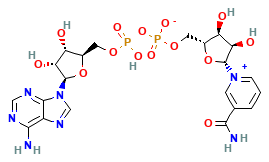
NAD+
Nicotinamide adenine dinucleotide. Cellular metabolism studies.
CAS 53-84-9
500mg vial · In stock
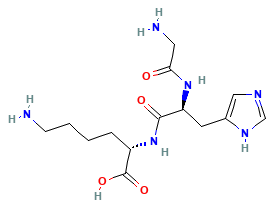
GHK-Cu
Copper tripeptide-1. Tissue regeneration studies.
CAS 49557-75-7
50mg vial · In stock
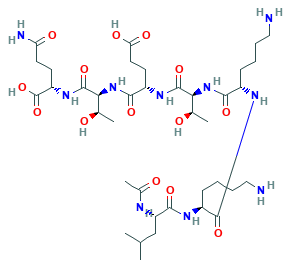
TB-500
Thymosin β4 fragment. Actin-binding domain active.
CAS 885340-08-9
5mg vial · In stock
For laboratory research use only