Oxytocin: The Neurohypophyseal Nonapeptide in Research
Research compounds for laboratory use only · not medical advice
Oxytocin, the nine-amino-acid neuropeptide, and its research in social bonding, oxytocin-receptor pharmacology, stress modulation and CNS signaling.
Oxytocin is both a classical hormone and a modern research topic. Its endocrine roles were established decades ago; its nervous-system research has been one of the busiest areas in behavioral neuroscience since.
The molecule
Oxytocin is a nine-amino-acid peptide with a disulfide bridge (C₄₃H₆₆N₁₂O₁₂S₂, ≈ 1007 g/mol), synthesized in the hypothalamus and released via the posterior pituitary. du Vigneaud’s 1953 synthesis was the first synthesis of a peptide hormone and earned the Nobel Prize — a foundational moment for peptide chemistry.
What the research looks at
- Social-bonding and affiliative behavior — the best-known thread; oxytocin-receptor signaling in social contexts
- Oxytocin-receptor pharmacology — binding and signaling studies for the OXTR
- Stress and anxiety modulation — the peptide’s role in HPA-axis and stress-response research
- CNS peptide signaling — how a neurohypophyseal hormone acts as a central neurotransmitter-like signal
Handling notes
Lyophilized, reconstitute with bacteriostatic water; the reconstitution calculator handles the math. Store at −20°C lyophilized.
See Oxytocin for CAS, purity and full specifications.
For laboratory research use only. Not medical advice.
Last updated September 9, 2026
FAQ
Frequently asked questions
What is Oxytocin?
Oxytocin is a nine-amino-acid neurohypophyseal peptide with established roles in parturition and lactation, and extensive research interest in social behavior and stress.
What research uses Oxytocin?
Social-bonding and affiliative-behavior research, oxytocin-receptor pharmacology, stress and anxiety modulation, and central-nervous-system peptide signaling.
When was Oxytocin discovered?
Its structure and synthesis were established by du Vigneaud and colleagues (1953), who received the Nobel Prize for the first synthesis of a peptide hormone.
Keep reading
Related articles
AOD-9604: The hGH Fragment 177-191 Lipolytic Peptide
AOD-9604, the synthetic analog of hGH fragment 177-191, and its research in lipolysis, fat metabolism and growth-hormone fragment pharmacology.
BPC-157 Dosage and Reconstitution Math: 5 mg Vial in the Lab
BPC-157 vial math — reconstituting a 5 mg lyophilized vial, mg to mL and U-100 unit conversions, and common research dose ranges.
CJC-1295 No DAC (Mod GRF 1-29): The Short-Acting GHRH Analog
CJC-1295 No DAC (Modified GRF 1-29), the tetrasubstituted GHRH analog with DPP-IV resistance, and its research in GH-secretagogue and pulsatility studies.
Laboratory tools
Put it into practice
From the catalog
Reference compounds
HGH 191aa
Recombinant human growth hormone. Full 191aa sequence.
CAS 12629-01-5
10IU vial · In stock
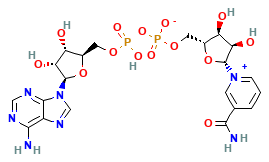
NAD+
Nicotinamide adenine dinucleotide. Cellular metabolism studies.
CAS 53-84-9
500mg vial · In stock
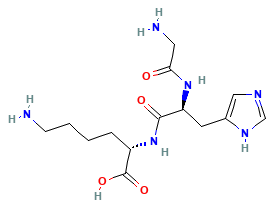
GHK-Cu
Copper tripeptide-1. Tissue regeneration studies.
CAS 49557-75-7
50mg vial · In stock
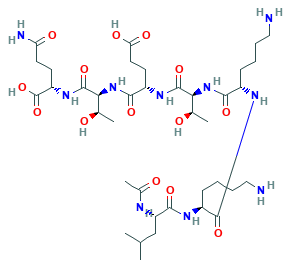
TB-500
Thymosin β4 fragment. Actin-binding domain active.
CAS 885340-08-9
5mg vial · In stock
For laboratory research use only