MOTS-c vs SS-31: Two Mitochondrial-Targeted Research Peptides
Research compounds for laboratory use only · not medical advice
Comparing MOTS-c and SS-31 — the mitochondrial-derived metabolic peptide and the cardiolipin-binding tetrapeptide — and how their mitochondrial research differs.
Mitochondria are the target of two of the most-discussed research peptides in the longevity space, but they get there by completely different routes: one is a mitochondrial-encoded signaling peptide, the other is a synthetic molecule that homes to the inner membrane by lipid affinity.
The molecules
| MOTS-c | SS-31 | |
|---|---|---|
| Type | Mitochondrial-derived peptide (16 aa) | Synthetic Szeto-Schiller tetrapeptide |
| Sequence | MRWQEMGYIFYPRKLR | D-Arg-Dmt-Lys-Phe-NH₂ |
| MW | ≈ 2175 g/mol | ≈ 640 g/mol |
| Origin | Encoded in mtDNA (12S rRNA ORF) | Designed; binds cardiolipin |
MOTS-c: metabolic signaling
MOTS-c is the AMPK-pathway peptide: it is studied for metabolic flexibility, insulin sensitivity and exercise-mimetic signaling in skeletal muscle. Its defining feature is that it comes from mitochondrial DNA — a peptide the organelle makes itself to signal metabolic state.
SS-31: structure and energetics
SS-31 (elamipretide) is built around cardiolipin binding — the inner-membrane lipid that organizes electron-transport complexes. Its research focus is bioenergetics, reactive-oxygen production, and ischemia-reperfusion injury models.
The wider mitochondrial panel
MOTS-c (signaling) and SS-31 (structure) join NAD+ (redox coenzyme) and Epithalon (telomere/pineal) in the broader mitochondrial and longevity research space — each addressing a different layer of cellular energetics.
Handling notes
Both are lyophilized and reconstituted with bacteriostatic water; the reconstitution calculator handles the liquid math.
See MOTS-c and SS-31 for CAS, purity and full specifications.
For laboratory research use only. Not medical advice.
Last updated September 9, 2026
FAQ
Frequently asked questions
What is the difference between MOTS-c and SS-31?
MOTS-c is a 16-amino-acid peptide encoded by mitochondrial DNA, studied for AMPK activation and metabolic flexibility. SS-31 is a synthetic tetrapeptide that binds cardiolipin, studied for mitochondrial bioenergetics and ROS.
Do MOTS-c and SS-31 work on the same pathway?
No — MOTS-c is a metabolic signaling peptide (AMPK, glucose flux), while SS-31 is a structural-cardiolipin-targeted peptide (electron transport, ROS). They are studied for different aspects of mitochondrial biology.
Can they be combined in research?
They address complementary mitochondrial questions — signaling (MOTS-c) versus structure/energetics (SS-31) — and are sometimes discussed together in mitochondrial-health research panels.
Keep reading
Related articles
AOD-9604: The hGH Fragment 177-191 Lipolytic Peptide
AOD-9604, the synthetic analog of hGH fragment 177-191, and its research in lipolysis, fat metabolism and growth-hormone fragment pharmacology.
BPC-157 Dosage and Reconstitution Math: 5 mg Vial in the Lab
BPC-157 vial math — reconstituting a 5 mg lyophilized vial, mg to mL and U-100 unit conversions, and common research dose ranges.
CJC-1295 No DAC (Mod GRF 1-29): The Short-Acting GHRH Analog
CJC-1295 No DAC (Modified GRF 1-29), the tetrasubstituted GHRH analog with DPP-IV resistance, and its research in GH-secretagogue and pulsatility studies.
Laboratory tools
Put it into practice
From the catalog
Reference compounds
HGH 191aa
Recombinant human growth hormone. Full 191aa sequence.
CAS 12629-01-5
10IU vial · In stock
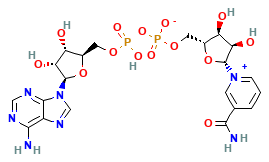
NAD+
Nicotinamide adenine dinucleotide. Cellular metabolism studies.
CAS 53-84-9
500mg vial · In stock
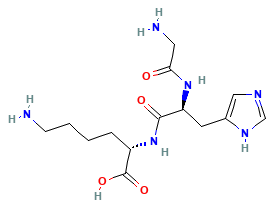
GHK-Cu
Copper tripeptide-1. Tissue regeneration studies.
CAS 49557-75-7
50mg vial · In stock
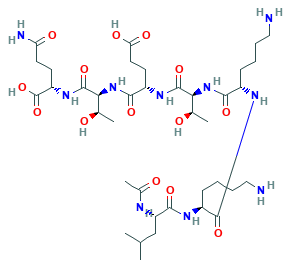
TB-500
Thymosin β4 fragment. Actin-binding domain active.
CAS 885340-08-9
5mg vial · In stock
For laboratory research use only