MOTS-c: The Mitochondrial-Derived Metabolic Peptide
Research compounds for laboratory use only · not medical advice
MOTS-c (MRWQEMGYIFYPRKLR), the 16-amino-acid mitochondrial peptide, and its research in metabolic flexibility, AMPK signaling and insulin sensitivity.
Most peptides are built from nuclear genes. MOTS-c is not: it is translated from a short open reading frame inside mitochondrial DNA, and it is studied as a metabolic regulator that responds to exercise and declines with age.
The molecule
MOTS-c is the 16-amino-acid sequence MRWQEMGYIFYPRKLR (C₁₀₁H₁₅₂N₂₈O₂₂S₂, ≈ 2175 g/mol), encoded by the 12S rRNA region of the mitochondrial genome. Its discovery (Lee et al., Cell Metabolism, 2015) positioned it as part of a family of mitochondrial-derived peptides that signal metabolic state to the rest of the cell.
Why it’s studied
MOTS-c research clusters around metabolic control:
- AMPK-pathway activation — the peptide is reported to engage AMPK, shifting cellular energy sensing toward fatty-acid oxidation and glucose flux
- Metabolic flexibility — the ability to switch between glucose and lipid substrates, with skeletal muscle as the primary studied target
- Insulin sensitivity — referenced in metabolic-dysfunction and type-2 diabetes models
- Exercise-mimetic effects — it is upregulated by exercise, so research asks whether exogenous peptide reproduces some of exercise’s metabolic signaling
Endogenous MOTS-c declines with age and in metabolic dysfunction, which is the premise behind supplementation research: restoring a youthful signal rather than adding a novel one.
Handling notes
Lyophilized, reconstitute with bacteriostatic water; the reconstitution calculator handles the math. Store at −20°C lyophilized.
See MOTS-c for CAS, purity and full specifications.
For laboratory research use only. Not medical advice.
Last updated September 9, 2026
FAQ
Frequently asked questions
What is MOTS-c?
MOTS-c is a 16-amino-acid peptide (MRWQEMGYIFYPRKLR) encoded by a short open reading frame in the mitochondrial 12S rRNA region — a peptide produced inside mitochondria rather than by nuclear genes.
What research uses MOTS-c?
It is studied in metabolic flexibility, insulin sensitivity, AMPK-pathway activation, and exercise-mimetic effects on skeletal muscle, including age-related metabolic decline models.
Where does MOTS-c come from?
MOTS-c is translated from mitochondrial DNA (the 12S rRNA gene's short ORF). Levels decline with age and in metabolic dysfunction, which is why supplementation research focuses on restoring youthful levels.
Keep reading
Related articles
AOD-9604: The hGH Fragment 177-191 Lipolytic Peptide
AOD-9604, the synthetic analog of hGH fragment 177-191, and its research in lipolysis, fat metabolism and growth-hormone fragment pharmacology.
BPC-157 Dosage and Reconstitution Math: 5 mg Vial in the Lab
BPC-157 vial math — reconstituting a 5 mg lyophilized vial, mg to mL and U-100 unit conversions, and common research dose ranges.
CJC-1295 No DAC (Mod GRF 1-29): The Short-Acting GHRH Analog
CJC-1295 No DAC (Modified GRF 1-29), the tetrasubstituted GHRH analog with DPP-IV resistance, and its research in GH-secretagogue and pulsatility studies.
Laboratory tools
Put it into practice
From the catalog
Reference compounds
HGH 191aa
Recombinant human growth hormone. Full 191aa sequence.
CAS 12629-01-5
10IU vial · In stock
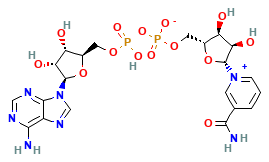
NAD+
Nicotinamide adenine dinucleotide. Cellular metabolism studies.
CAS 53-84-9
500mg vial · In stock
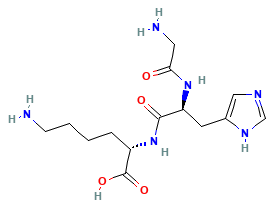
GHK-Cu
Copper tripeptide-1. Tissue regeneration studies.
CAS 49557-75-7
50mg vial · In stock
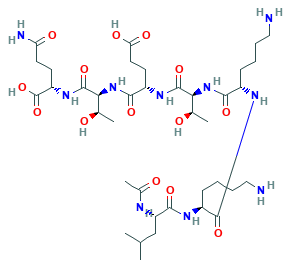
TB-500
Thymosin β4 fragment. Actin-binding domain active.
CAS 885340-08-9
5mg vial · In stock
For laboratory research use only