Longevity Research Peptides: The Full Panel Explained
Research compounds for laboratory use only · not medical advice
The longevity research peptide panel — Epithalon, MOTS-c, SS-31, NAD+, GHK-Cu and Glutathione — and where each sits in aging and cellular-health studies.
The longevity research space is not one peptide — it is a panel of compounds, each addressing a different layer of aging biology. Here is the full set and where each one sits.
The panel at a glance
| Peptide | Layer of aging biology | Research focus |
|---|---|---|
| Epithalon | Telomere / pineal | Telomerase activity, circadian signaling |
| MOTS-c | Metabolic signaling | AMPK, metabolic flexibility, insulin sensitivity |
| SS-31 | Mitochondrial structure | Cardiolipin binding, bioenergetics, ROS |
| NAD+ | Redox coenzyme | Mitochondrial bioenergetics, sirtuin activation |
| GHK-Cu | Tissue remodeling | Collagen synthesis, wound repair |
| Glutathione | Antioxidant defense | Redox homeostasis, oxidative stress |
Telomere layer: Epithalon
Epithalon is the tetrapeptide from the pineal research tradition. Its distinctive thread is telomerase activity and telomere length — a direct entry point into replicative-aging questions.
Metabolic layer: MOTS-c
MOTS-c is the mitochondrial-encoded peptide studied for AMPK-pathway activation and metabolic flexibility. Its research asks whether restoring a youthful mitochondrial signal reproduces exercise-related metabolic effects.
Mitochondrial structure layer: SS-31
SS-31 targets the inner mitochondrial membrane via cardiolipin binding, with research spanning bioenergetics, reactive-oxygen production and ischemia-reperfusion injury models.
Redox coenzyme layer: NAD+
NAD+ is the electron-shuttling coenzyme at the center of mitochondrial bioenergetics and sirtuin activation — the supply-side of cellular energy metabolism.
Tissue remodeling layer: GHK-Cu
GHK-Cu is the copper peptide studied in fibroblast activity, collagen synthesis and wound-repair pathways — the structural-repair layer of the panel.
Antioxidant layer: Glutathione
Glutathione is the principal intracellular antioxidant, central to redox homeostasis and oxidative-stress research — the defense layer that protects the rest.
Handling notes
Lyophilized peptides (Epithalon, MOTS-c, SS-31, GHK-Cu) reconstitute with bacteriostatic water; the reconstitution calculator handles the math, and the molecular weight calculator covers concentration conversions. NAD+ and Glutathione are water-soluble lyophilized compounds.
See each product page for CAS, purity and full specifications.
For laboratory research use only. Not medical advice.
Last updated September 9, 2026
FAQ
Frequently asked questions
What peptides are used in longevity research?
The commonly studied panel includes Epithalon (telomere), MOTS-c (metabolic signaling), SS-31 (mitochondrial structure), NAD+ (redox), GHK-Cu (tissue remodeling) and Glutathione (antioxidant defense).
Are longevity peptides the same as anti-aging peptides?
The research community uses them interchangeably for the same group of compounds studied in aging biology — cellular energetics, telomere maintenance, redox balance and tissue repair.
How do these peptides differ from each other?
They target different layers of aging biology: telomeres (Epithalon), metabolism (MOTS-c), mitochondrial energetics (SS-31), redox coenzyme supply (NAD+), tissue remodeling (GHK-Cu) and antioxidant defense (Glutathione).
Keep reading
Related articles
AOD-9604: The hGH Fragment 177-191 Lipolytic Peptide
AOD-9604, the synthetic analog of hGH fragment 177-191, and its research in lipolysis, fat metabolism and growth-hormone fragment pharmacology.
BPC-157 Dosage and Reconstitution Math: 5 mg Vial in the Lab
BPC-157 vial math — reconstituting a 5 mg lyophilized vial, mg to mL and U-100 unit conversions, and common research dose ranges.
CJC-1295 No DAC (Mod GRF 1-29): The Short-Acting GHRH Analog
CJC-1295 No DAC (Modified GRF 1-29), the tetrasubstituted GHRH analog with DPP-IV resistance, and its research in GH-secretagogue and pulsatility studies.
Laboratory tools
Put it into practice
From the catalog
Reference compounds
HGH 191aa
Recombinant human growth hormone. Full 191aa sequence.
CAS 12629-01-5
10IU vial · In stock
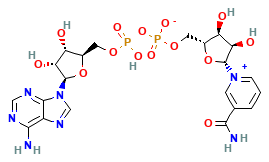
NAD+
Nicotinamide adenine dinucleotide. Cellular metabolism studies.
CAS 53-84-9
500mg vial · In stock
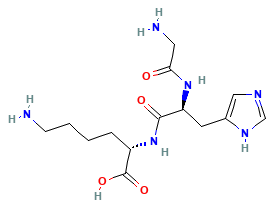
GHK-Cu
Copper tripeptide-1. Tissue regeneration studies.
CAS 49557-75-7
50mg vial · In stock
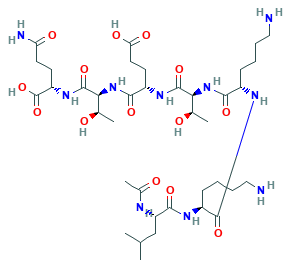
TB-500
Thymosin β4 fragment. Actin-binding domain active.
CAS 885340-08-9
5mg vial · In stock
For laboratory research use only