Kisspeptin-10: The Kiss1 Receptor Ligand in GnRH Research
Research compounds for laboratory use only · not medical advice
Kisspeptin-10, the C-terminal decapeptide of Kiss1/metastin, and its research in reproductive neuroendocrinology, GnRH pulsatility and KISS1R pharmacology.
Kisspeptin-10 has one of the most memorable names in peptide research, and one of the clearest jobs: it is the ligand that sits upstream of the reproductive hormone cascade, and its discovery rewired how reproductive neuroendocrinology is understood.
The molecule
Kisspeptin-10 is the C-terminal decapeptide (C₆₃H₈₃N₁₇O₁₄, ≈ 1302 g/mol) of the Kiss1/metastin peptide family. It is the high-affinity endogenous ligand of the GPR54 receptor (KISS1R). The gene was named for Hershey’s Kisses — the candies made in Hershey, Pennsylvania — a naming story from the original 2001 Nature discovery paper by Ohtaki and colleagues.
What the research looks at
- GnRH pulsatility and puberty — kisspeptin is a master regulator of GnRH neuron activity; puberty onset research is a core thread
- Reproductive neuroendocrinology — the kisspeptin-GnRH-GnIH axis
- KISS1R receptor pharmacology — binding and signaling studies for GPR54
Handling notes
Lyophilized, reconstitute with bacteriostatic water; the reconstitution calculator handles the math. Store at −20°C lyophilized.
See Kisspeptin-10 for CAS, purity and full specifications.
For laboratory research use only. Not medical advice.
Last updated September 9, 2026
FAQ
Frequently asked questions
What is Kisspeptin-10?
Kisspeptin-10 is the biologically active C-terminal decapeptide of the Kiss1/metastin peptide family, acting as a high-affinity ligand of the GPR54 (KISS1R) receptor.
What research uses Kisspeptin-10?
Reproductive neuroendocrinology, GnRH-pulsatility and puberty research, and kisspeptin-receptor pharmacology.
Why is it called Kisspeptin?
The Kiss1 gene was named for Hershey's Kisses — the candies in Hershey, Pennsylvania, where the gene was discovered (Ohtaki et al., Nature, 2001).
Keep reading
Related articles
AOD-9604: The hGH Fragment 177-191 Lipolytic Peptide
AOD-9604, the synthetic analog of hGH fragment 177-191, and its research in lipolysis, fat metabolism and growth-hormone fragment pharmacology.
BPC-157 Dosage and Reconstitution Math: 5 mg Vial in the Lab
BPC-157 vial math — reconstituting a 5 mg lyophilized vial, mg to mL and U-100 unit conversions, and common research dose ranges.
CJC-1295 No DAC (Mod GRF 1-29): The Short-Acting GHRH Analog
CJC-1295 No DAC (Modified GRF 1-29), the tetrasubstituted GHRH analog with DPP-IV resistance, and its research in GH-secretagogue and pulsatility studies.
Laboratory tools
Put it into practice
From the catalog
Reference compounds
HGH 191aa
Recombinant human growth hormone. Full 191aa sequence.
CAS 12629-01-5
10IU vial · In stock
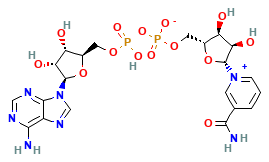
NAD+
Nicotinamide adenine dinucleotide. Cellular metabolism studies.
CAS 53-84-9
500mg vial · In stock
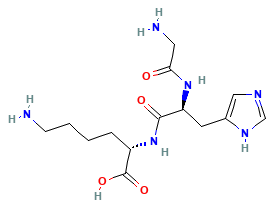
GHK-Cu
Copper tripeptide-1. Tissue regeneration studies.
CAS 49557-75-7
50mg vial · In stock
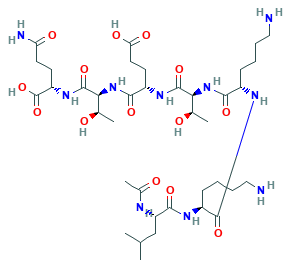
TB-500
Thymosin β4 fragment. Actin-binding domain active.
CAS 885340-08-9
5mg vial · In stock
For laboratory research use only