Glutathione: The Intracellular Antioxidant Tripeptide
Research compounds for laboratory use only · not medical advice
Glutathione (γ-Glu-Cys-Gly), the principal intracellular antioxidant, and its research in redox homeostasis, oxidative stress and detoxification pathways.
Glutathione is the most abundant antioxidant inside cells, and one of the few peptides whose name is familiar outside peptide research. It is a tripeptide — and its unusual γ-peptide bond is the reason it survives in the cell long enough to do its job.
The molecule
Glutathione is γ-L-glutamyl-L-cysteinyl-glycine (C₁₀H₁₇N₃O₆S, ≈ 307 g/mol). The γ-linkage between glutamate and cysteine (rather than the usual α-linkage) makes it resistant to the peptidases that would otherwise break a three-amino-acid peptide down quickly — a structural detail that is central to its biology.
What the research looks at
- Redox homeostasis — the glutathione/glutathione disulfide (GSH/GSSG) balance is a standard readout of oxidative state
- Oxidative-stress research — free-radical biology and antioxidant defense
- Detoxification and phase-II metabolism — glutathione conjugation pathways
- Cell-culture supplementation — a common additive in redox-sensitive assays
Its metabolic-supplementation neighbor is L-Carnitine.
Handling notes
Lyophilized, water soluble. Store at −20°C lyophilized, protect from light.
See Glutathione for CAS, purity and full specifications.
For laboratory research use only. Not medical advice.
Last updated September 9, 2026
FAQ
Frequently asked questions
What is Glutathione?
Glutathione (γ-L-glutamyl-L-cysteinyl-glycine) is a tripeptide and the principal intracellular antioxidant, central to redox homeostasis.
What research uses Glutathione?
Oxidative-stress research, detoxification and phase-II metabolism pathways, cell-culture media supplementation, and free-radical biology.
Is Glutathione really a peptide?
Yes — it is a tripeptide of glutamate, cysteine and glycine, with an unusual γ-linkage between glutamate and cysteine that protects it from normal peptidase degradation.
Keep reading
Related articles
AOD-9604: The hGH Fragment 177-191 Lipolytic Peptide
AOD-9604, the synthetic analog of hGH fragment 177-191, and its research in lipolysis, fat metabolism and growth-hormone fragment pharmacology.
BPC-157 Dosage and Reconstitution Math: 5 mg Vial in the Lab
BPC-157 vial math — reconstituting a 5 mg lyophilized vial, mg to mL and U-100 unit conversions, and common research dose ranges.
CJC-1295 No DAC (Mod GRF 1-29): The Short-Acting GHRH Analog
CJC-1295 No DAC (Modified GRF 1-29), the tetrasubstituted GHRH analog with DPP-IV resistance, and its research in GH-secretagogue and pulsatility studies.
Laboratory tools
Put it into practice
From the catalog
Reference compounds
HGH 191aa
Recombinant human growth hormone. Full 191aa sequence.
CAS 12629-01-5
10IU vial · In stock
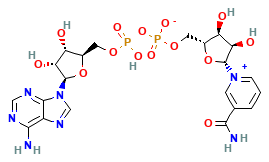
NAD+
Nicotinamide adenine dinucleotide. Cellular metabolism studies.
CAS 53-84-9
500mg vial · In stock
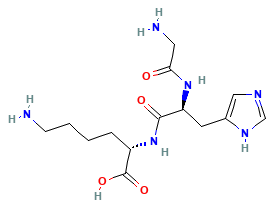
GHK-Cu
Copper tripeptide-1. Tissue regeneration studies.
CAS 49557-75-7
50mg vial · In stock
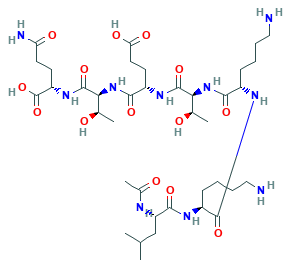
TB-500
Thymosin β4 fragment. Actin-binding domain active.
CAS 885340-08-9
5mg vial · In stock
For laboratory research use only