Dianabol (Methandrostenolone): The Classic Oral, Examined
Research compounds for laboratory use only · not medical advice
What methandrostenolone is, why 17α-alkylation makes it oral, its short hours-scale half-life, and how 10 mg tablets are used as an analytical reference standard.
Every oral-steroid conversation eventually runs through this molecule: the tablet from the late 1950s that defined what “oral anabolic” means.
The molecule
Methandrostenolone (C₂₀H₂₈O₂, ≈300 g/mol) is testosterone with two changes: a Δ¹ double bond and a 17α-methyl. The first lifts anabolic signaling; the second is what makes the molecule survive the gut and liver long enough to be taken as a tablet — at the cost of hepatic strain that ended its licensed life decades ago.
Kinetics are tablet-scale, not injection-scale: hours, not weeks. The oral androgens comparison lines it up against Anavar and Winstrol on structure, aromatization and liver-load axes.
Research context
Today the compound is mostly a calibration and metabolite standard: it and its metabolites are targets in doping-control method validation, and its estrogenic conversion behavior makes it a fixture in aromatase and AR-signaling models. Molar work — converting mg to µM for assays — is what the molecular weight calculator exists for.
Practical notes
Supplied as 10 mg precision-dosed tablets, 100/bottle — no reconstitution math here. Storage is room temperature; see Dianabol for CAS and purity.
References: Kicman A.T., “Pharmacology of Anabolic-Androgenic Steroids.” Handbook of Experimental Pharmacology, 2008.
For laboratory research use only. Not medical advice.
FAQ
Frequently asked questions
What is Dianabol?
Dianabol is the historic oral brand of methandrostenolone — a 17α-methylated, Δ¹ testosterone analog developed in parallel with testosterone enanthate in the late 1950s.
Why does methandrostenolone work orally?
The 17α-methyl group slows first-pass hepatic breakdown enough for oral bioavailability. The trade-off is a short half-life measured in hours (≈3–5) and hepatotoxicity signals that made it unsuitable for chronic use.
What is it used for in research?
Modern legitimate uses are analytical: methandrostenolone is a scheduled substance in sport testing, so LC-MS/MS and immunoassay validation papers routinely carry it as a calibration target — and dose-response studies in androgen-receptor models use it as the archetypal oral agonist.
Does it aromatize?
Yes — methandrostenolone undergoes appreciable aromatization relative to DHT-derived orals, which is part of why it features in estrogenic-metabolite studies.
Keep reading
Related articles
Anavar (Oxandrolone): The Mild-Profile Oral
Oxandrolone's high anabolic-to-androgenic ratio, its ~9–12 hour half-life, and the 10 mg tablet math for research protocols.
Ester Half-Lives and Clearance: What Every Researcher Should Know
What an ester is, why half-life drives injection frequency, how first-order clearance works, and when a compound is effectively cleared.
All 11 Esters at a Glance: The Master Reference Table
Half-life, active fraction and clearance math for every ester in the Vyroval catalog — one table to bookmark, with links to the tools that model each one.
Laboratory tools
Put it into practice
From the catalog
Reference compounds
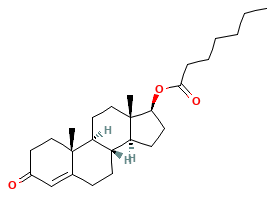
Testosterone Enanthate
Long-ester testosterone. 250mg/mL in USP-grade carrier oil.
CAS 315-37-7
10mL vial · In stock
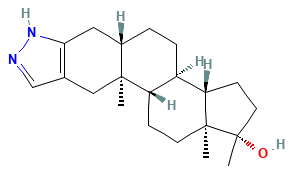
Winstrol
Stanozolol 10mg oral tablets. Precision-dosed.
CAS 10418-03-8
100 tablets/bottle · In stock
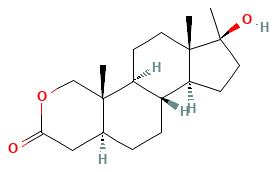
Anavar
Oxandrolone. Mild anabolic profile.
CAS 53-39-4
100 tablets/bottle · In stock
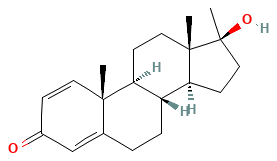
Dianabol
Methandrostenolone. Classic reference standard.
CAS 72-63-9
100 tablets/bottle · In stock
For laboratory research use only